
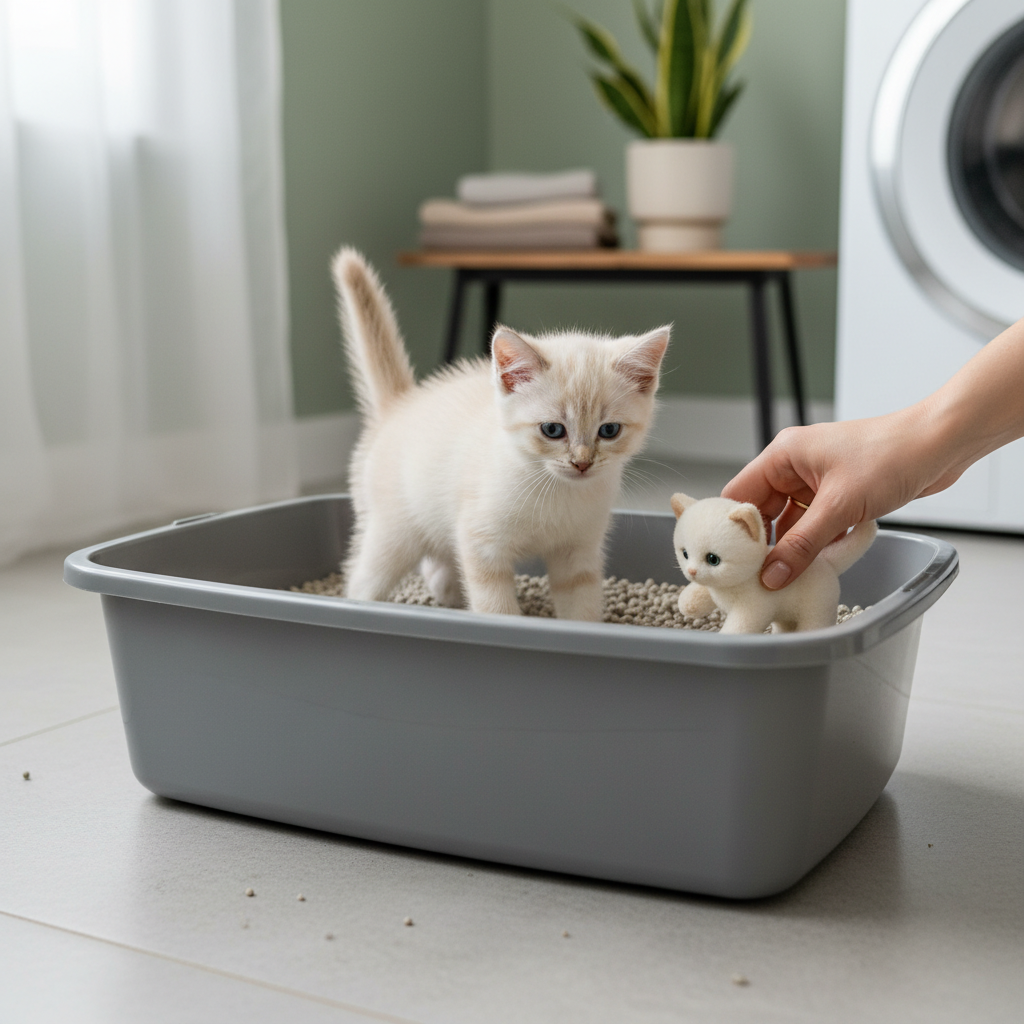
Teaching a kitten how to use the litter box is one of the most important skills you’ll need to master as a new cat parent. Fortunately, most kittens naturally understand the concept of using a designated area for elimination, making the training process relatively straightforward when approached correctly. With patience, consistency, and the right setup, your furry friend will quickly learn proper litter box habits that will last a lifetime.
Understanding your kitten’s natural instincts and providing the right environment are crucial for successful litter box training. Cats have an innate desire to bury their waste, which stems from their wild ancestors who needed to hide their scent from predators and competitors. This natural behavior works in your favor during the training process, as you’re simply guiding your kitten to use an appropriate location rather than fighting against their instincts.
Understanding Kitten Development and Litter Box Readiness
Before diving into training techniques, it’s essential to understand when kittens are developmentally ready for litter box training. Most kittens begin showing interest in using a litter box around 3-4 weeks of age, coinciding with their ability to walk steadily and control their elimination functions. However, the ideal time to begin serious litter box training is typically between 4-6 weeks of age.
During the first few weeks of life, mother cats stimulate their kittens’ elimination by licking their genital and anal areas. As kittens mature, they gradually develop the muscle control and coordination necessary for independent bathroom habits. Understanding this natural progression helps set realistic expectations for the training timeline and prevents frustration during the learning process.
Signs Your Kitten Is Ready for Training
- Walking confidently without stumbling
- Showing interest in solid food
- Beginning to groom themselves
- Demonstrating curiosity about their environment
- Starting to eliminate without maternal stimulation
Essential Supplies for Litter Box Training
Success in teaching a kitten how to use the litter box starts with having the right equipment and supplies. The type of litter box, litter material, and placement all play crucial roles in making the experience positive and encouraging for your kitten.
Choosing the Right Litter Box
For kittens, size and accessibility are the most important factors when selecting a litter box. The box should be large enough for your kitten to turn around comfortably but not so large that they feel overwhelmed or insecure. A general rule is that the box should be at least 1.5 times the length of your kitten from nose to tail.
Low-sided boxes work best for young kittens who may struggle to climb over high walls. Look for boxes with sides that are 2-3 inches high, allowing easy entry and exit. Avoid covered or hooded boxes initially, as they can feel confining and may discourage use. As your kitten grows and becomes more confident, you can gradually transition to larger boxes if desired.
Selecting Appropriate Litter
The type of litter you choose can significantly impact your kitten’s willingness to use the box. Most experts recommend starting with unscented, clumping clay litter, as it closely mimics the texture of soil that cats naturally prefer. Avoid heavily scented litters, crystal litters, or those with large pellets, as these can be off-putting to sensitive kitten paws.
Fill the box with approximately 2-3 inches of litter, providing enough depth for digging and covering without making it difficult for small paws to navigate. Too little litter won’t allow for proper covering behavior, while too much can be overwhelming and messy for a learning kitten.
Step-by-Step Guide to Teaching a Kitten How to Use the Litter Box
The actual training process involves several key steps that build upon each other to create positive associations with the litter box. Consistency and patience are essential throughout this process, as each kitten learns at their own pace.
Step 1: Strategic Placement and Introduction
Location is critical when introducing your kitten to their litter box. Choose a quiet, easily accessible area away from their food and water bowls. Cats prefer privacy when eliminating, so avoid high-traffic areas or locations with loud noises that might startle your kitten during use.
Place the litter box in a spot that your kitten can easily reach from anywhere in their living space. For very young kittens, you may need multiple boxes in different areas of your home to prevent accidents due to inability to reach the designated area in time.
Step 2: Gentle Introduction and Exploration
Allow your kitten to explore the litter box naturally without forcing interaction. Place them gently in or near the box several times throughout the day, especially after meals, naps, and play sessions when they’re most likely to need to eliminate. Let them sniff, investigate, and even play in the litter if they show interest.
Some kittens may immediately understand the purpose of the box, while others need more time to make the connection. Never force your kitten to stay in the box or punish them for not using it immediately. This can create negative associations that make training more difficult.
Step 3: Timing and Routine Development
Establishing a routine is crucial for successful litter box training. Kittens typically need to eliminate shortly after eating, drinking, waking up from naps, and after active play sessions. Watch for signs that your kitten needs to go, such as sniffing around, circling, or squatting in corners.
When you notice these behaviors, gently guide your kitten to the litter box. If they use it successfully, offer quiet praise and perhaps a small treat. Avoid overly enthusiastic celebrations that might startle or overwhelm your kitten during this vulnerable time.
Step 4: Demonstration and Gentle Guidance
Some kittens benefit from gentle demonstration of digging behavior. Using your finger, make small digging motions in the litter to show your kitten what they can do. Many kittens will instinctively begin to mimic this behavior, especially if they haven’t had the opportunity to learn from their mother.
If your kitten eliminates in the box but doesn’t cover their waste, you can gently take their paw and help them make covering motions. Most kittens quickly understand and begin doing this independently within a few attempts.
Common Challenges and Solutions
Even with proper setup and technique, some kittens may experience challenges during litter box training. Understanding common issues and their solutions helps ensure continued progress and prevents the development of bad habits.
Accidents Outside the Box
Accidents are normal during the learning process and should be handled calmly and constructively. When accidents occur, clean the area thoroughly with an enzymatic cleaner specifically designed for pet waste. Regular household cleaners may not eliminate odors that can attract your kitten back to the same spot.
If you catch your kitten in the act of eliminating outside the box, gently interrupt them and immediately place them in the litter box. If they finish eliminating in the correct location, offer praise. Never punish or scold your kitten for accidents, as this can create fear and anxiety around elimination.
Box Avoidance or Reluctance
Some kittens may show reluctance to enter or use the litter box, which can stem from various causes. The box may be too high, too small, or located in an area that feels unsafe to your kitten. The litter texture or scent might be unpleasant, or the box may not be clean enough for their standards.
To address box avoidance, evaluate each aspect of your setup. Try different litter types, ensure the box is cleaned daily, and consider relocating it to a quieter or more accessible area. Some kittens prefer different textures, so experimenting with paper-based, corn-based, or other natural litters may help.
Inconsistent Use Patterns
Kittens who use the litter box sometimes but not consistently may be experiencing confusion about expectations or may have developed preferences for certain locations. This often occurs when the training routine has been inconsistent or when there have been changes in the household.
Return to basics by increasing supervision and guidance, ensuring the kitten is placed in the litter box at regular intervals throughout the day. Maintain strict consistency in box location, litter type, and cleaning schedule until reliable habits are established.
Maintaining Good Litter Box Habits
Once your kitten has mastered basic litter box use, maintaining good habits requires ongoing attention to cleanliness, routine, and environmental factors. Proper maintenance prevents the development of avoidance behaviors and ensures continued success throughout your cat’s life.
Daily Cleaning and Maintenance
Cats are naturally clean animals and may refuse to use a dirty litter box. Scoop solid waste daily and remove wet clumps promptly to maintain an appealing environment. Completely change the litter and wash the box with mild soap weekly, or more frequently if odors develop.
Pay attention to your kitten’s preferences regarding cleanliness levels. Some cats are more particular than others and may require more frequent cleaning to maintain consistent use. Establishing good maintenance habits early prevents problems later and shows respect for your cat’s natural cleanliness instincts.
Gradual Transitions and Changes
As your kitten grows, you may need to make gradual changes to accommodate their developing needs and preferences. Transitioning to a larger box should be done gradually, perhaps by placing the new box next to the old one and allowing your kitten to choose which to use before removing the smaller option.
Any changes to litter type, box location, or cleaning products should be implemented slowly to avoid disrupting established habits. Sudden changes can cause confusion and may result in accidents or avoidance behaviors that require retraining.
Mistakes to Avoid During Training
Understanding common mistakes helps prevent setbacks and ensures a smoother training experience for both you and your kitten. Many well-intentioned actions can actually hinder progress or create negative associations with the litter box.
Punishment and Negative Reinforcement
Never punish your kitten for accidents or inappropriate elimination. Rubbing their nose in waste, yelling, or physical punishment creates fear and anxiety that can worsen elimination problems. Cats don’t understand punishment in the same way humans do and may simply learn to hide their elimination rather than use the appropriate location.
Instead, focus on positive reinforcement when your kitten uses the box correctly. Quiet praise, gentle petting, or small treats help create positive associations with proper litter box use.
Inconsistent Expectations and Routine
Consistency is crucial for successful training, and mixed messages can confuse your kitten and slow progress. Ensure all family members understand and follow the same training protocols, including box placement, cleaning schedule, and response to accidents.
Avoid moving the litter box frequently during the initial training period, as this can create confusion about where elimination is appropriate. Once habits are well-established, gradual location changes can be made if necessary.
Inappropriate Box Setup
Using the wrong size box, inappropriate litter, or poor placement can significantly hinder training success. Avoid boxes that are too high, too small, or located in areas that feel unsafe or inconvenient to your kitten. Similarly, heavily scented litters, uncomfortable textures, or insufficient litter depth can discourage use.
When to Consult a Veterinarian
While most litter box training challenges can be resolved with patience and proper technique, certain situations warrant professional veterinary attention. Understanding when training issues might indicate underlying health problems helps ensure your kitten receives appropriate care.
Medical Concerns
Sudden changes in elimination habits, straining to urinate or defecate, blood in urine or stool, or frequent accidents after successful training may indicate medical issues. Urinary tract infections, digestive problems, or other health conditions can cause litter box avoidance or inability to control elimination.
If your kitten shows signs of pain during elimination, cries when trying to use the box, or exhibits other concerning symptoms, schedule a veterinary examination promptly. Early intervention can prevent serious complications and resolve issues that might otherwise interfere with successful training.
Persistent Training Difficulties
If you’ve consistently followed proper training techniques for several weeks without progress, or if your kitten seems unable to develop reliable habits despite your best efforts, professional guidance may be helpful. Your veterinarian can rule out medical causes and may refer you to a feline behaviorist for specialized training support.
Advanced Tips for Success
Once you’ve mastered the basics of teaching a kitten how to use the litter box, several advanced strategies can help ensure long-term success and prevent future problems.
Multi-Cat Household Considerations
If you have multiple cats or plan to add more cats to your household, provide multiple litter boxes to prevent competition and territorial issues. The general rule is one box per cat plus one additional box, placed in different areas of your home.
Introduce new cats gradually and monitor litter box use during the transition period. Some cats may temporarily avoid boxes that smell like unfamiliar cats, requiring additional patience and possibly separate facilities during the adjustment period.
Environmental Enrichment
Creating a positive overall environment supports good litter box habits by reducing stress and anxiety that can contribute to elimination problems. Provide plenty of vertical space, hiding spots, and interactive toys to keep your kitten mentally and physically stimulated.
Ensure your kitten has easy access to fresh water and appropriate nutrition, as these factors directly impact elimination patterns and litter box use. A healthy, comfortable kitten is more likely to maintain consistent bathroom habits.
Successfully teaching a kitten how to use the litter box requires patience, consistency, and understanding of your kitten’s natural instincts and developmental needs. By providing appropriate equipment, maintaining a regular routine, and responding positively to both successes and setbacks, you can help your kitten develop reliable litter box habits that will last throughout their life. Remember that every kitten learns at their own pace, and with gentle guidance and proper setup, most kittens quickly master this essential skill.