
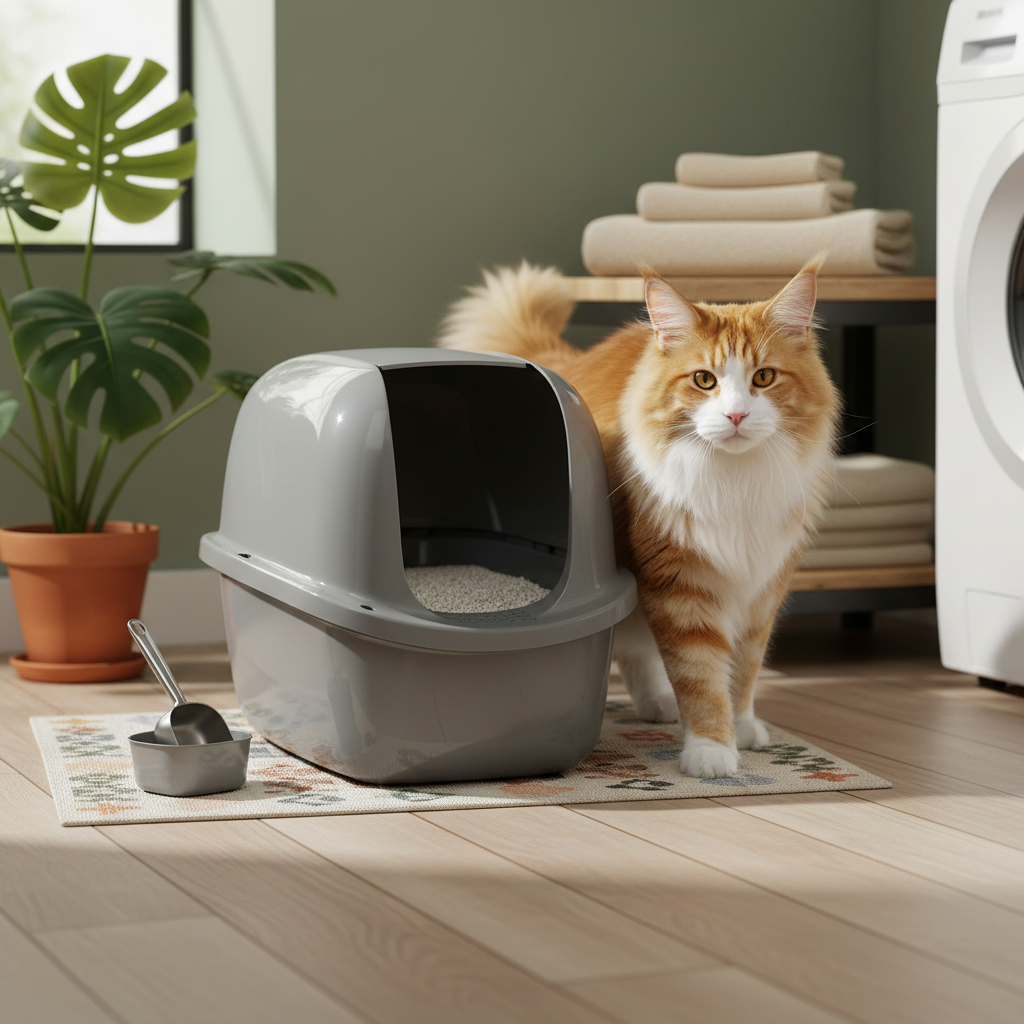
Finding the right cat big litter box can make all the difference for your large feline friend’s comfort and your home’s cleanliness. Many cat owners struggle with standard-sized litter boxes that simply don’t provide enough space for bigger cats to move around comfortably, leading to accidents outside the box and unhappy pets. Whether you have a Maine Coon, Ragdoll, or any other large breed cat, choosing an appropriately sized litter box is essential for maintaining good litter box habits and ensuring your cat’s wellbeing.
Why Large Cats Need Bigger Litter Boxes
Large cats face unique challenges when using standard-sized litter boxes. Most commercial litter boxes are designed for average-sized cats, typically weighing between 8-12 pounds. However, many cat breeds can weigh significantly more, with some Maine Coons reaching 25 pounds or more. When a large cat tries to use a box that’s too small, several problems can arise that affect both the cat’s comfort and the cleanliness of your home.
The primary issue is space constraint. A cat big litter box should allow your feline to enter, turn around, dig, eliminate, and cover waste without feeling cramped. When cats feel confined in their litter box, they may develop negative associations with using it, leading to elimination problems outside the box. Additionally, larger cats need more room to position themselves properly, especially when defecating, to maintain their natural elimination posture.
Another critical factor is the psychological comfort of your cat. Cats are naturally clean animals that prefer privacy and adequate space when eliminating. A cramped litter box can create stress and anxiety, potentially leading to behavioral issues that extend beyond litter box problems. By providing a properly sized litter box, you’re supporting your cat’s natural instincts and promoting better overall mental health.
How to Determine the Right Size for Your Cat
Selecting the appropriate litter box size isn’t just about your cat’s weight—it’s about their overall body dimensions and personal preferences. The general rule of thumb is that a litter box should be at least one and a half times the length of your cat from nose to the base of their tail. This measurement ensures your cat has enough room to move comfortably within the box.
Measuring Your Cat Properly
To accurately measure your cat, have them stand naturally on a flat surface. Using a flexible measuring tape, measure from the tip of their nose to where their tail begins at the base. Multiply this measurement by 1.5 to get the minimum length your litter box should be. For width, the box should be at least as wide as your cat is long, though slightly wider is preferable for maximum comfort.
Consider your cat’s elimination habits as well. Some cats prefer to dig extensively before and after eliminating, while others like to move around within the box. If your cat exhibits these behaviors, you may want to go even larger than the minimum measurements to accommodate their preferences.
Weight Considerations
While size is more important than weight for determining box dimensions, weight does matter for structural integrity. Ensure any cat big litter box you choose can support your cat’s weight plus the weight of the litter. Flimsy boxes may crack or break under the combined weight, creating an unsafe and messy situation.
Top Features to Look for in Large Cat Litter Boxes
When shopping for a litter box for your large cat, certain features can significantly improve both functionality and user experience. Understanding these features will help you make an informed decision that benefits both you and your feline companion.
Adequate Depth and Height
The depth of the litter box is crucial for containing litter and waste effectively. Look for boxes that are at least 4-6 inches deep to prevent litter from being scattered outside the box when your cat digs. However, avoid boxes that are too deep, as they can be difficult for older cats or cats with mobility issues to enter and exit comfortably.
For covered litter boxes, ensure there’s sufficient headroom. Large cats need to be able to stand comfortably inside the box without their head or back touching the top. This is particularly important for tall breeds or cats that prefer to stand while eliminating.
Entry and Exit Accessibility
The entrance to the litter box should be low enough for easy access but high enough to contain litter effectively. For most large cats, an entrance height of 3-4 inches works well. Some boxes feature cut-out entrances that are lower than the overall wall height, providing easier access while maintaining litter containment.
Durability and Material Quality
Large cats put more stress on litter boxes than their smaller counterparts. Look for boxes made from thick, durable plastic that won’t crack under weight or develop stress fractures over time. The material should also be non-porous to prevent odor absorption and easy to clean thoroughly.
Best Types of Large Litter Boxes
Several different styles of cat big litter box options are available, each with distinct advantages and potential drawbacks. Understanding these different types will help you choose the best option for your specific situation and your cat’s preferences.
Open Large Litter Boxes
Open litter boxes are the most straightforward option and often the most accepted by cats. They provide unlimited headroom and easy access from multiple angles. Large open boxes are excellent for cats who feel claustrophobic in covered boxes or who are particularly tall. They also make it easier for you to monitor your cat’s elimination habits and spot any potential health issues early.
The main advantages of open large litter boxes include better ventilation, which helps control odors naturally, and easier cleaning access. However, they offer less privacy and may not contain odors as effectively as covered options. They also provide less protection against litter scatter, though this can be mitigated with proper placement and litter choice.
Covered Large Litter Boxes
Covered litter boxes provide privacy and better odor containment, which many cats and owners appreciate. For large cats, it’s essential to choose covered boxes with generous interior dimensions and adequate ventilation. Look for models with removable tops for easy cleaning and maintenance.
When considering a covered cat big litter box, pay special attention to the interior height. Many covered boxes designed for average cats will feel cramped to larger felines. Some manufacturers specifically design covered boxes for large cats with extra-high domes or more spacious interiors.
High-Sided Litter Boxes
High-sided litter boxes offer a compromise between open and covered designs. They provide better litter containment than standard open boxes while maintaining the open-air feel that many cats prefer. These boxes typically feature walls that are 6-8 inches high, significantly taller than standard boxes.
This style is particularly beneficial for cats who are enthusiastic diggers or who tend to eliminate while standing. The higher walls help contain both litter and waste more effectively than standard open boxes while still allowing easy monitoring and cleaning access.
Setting Up Your Large Cat’s Litter Box
Proper setup of your large cat’s litter box is just as important as choosing the right size and style. The location, litter type, and maintenance routine all play crucial roles in ensuring your cat consistently uses their box and remains comfortable doing so.
Optimal Placement Strategies
Large litter boxes require more floor space, which can limit placement options in smaller homes. However, it’s important not to compromise on location quality just to fit the box into a tight space. Choose a quiet, low-traffic area where your cat can eliminate without feeling rushed or interrupted.
Ensure the location has adequate ventilation to prevent odor buildup, especially important with larger boxes that may contain more waste. Avoid placing the box near your cat’s food and water dishes, as cats instinctively prefer to keep their eating and elimination areas separate. Also, make sure the location is easily accessible for daily cleaning and maintenance.
Litter Selection for Large Boxes
Large litter boxes require more litter to maintain appropriate depth, but this doesn’t necessarily mean you need to fill them to the brim. Maintain a depth of 2-3 inches of litter, which provides adequate coverage for waste while allowing your cat to dig comfortably.
Consider the weight of litter when choosing products for your cat big litter box. Lightweight litters can help reduce the overall weight you’ll need to manage during cleaning, while still providing effective odor control and clumping action. However, ensure that lightweight options still provide the texture and feel your cat prefers.
Common Problems and Solutions
Even with the right large litter box, issues can still arise. Understanding common problems and their solutions will help you maintain a successful litter box setup for your large cat.
Litter Tracking and Scatter
Large cats can create more litter scatter due to their size and the force of their movements. Combat this issue by placing litter mats around the box, choosing litter types that are less prone to sticking to paws, and ensuring the litter box has adequate wall height to contain enthusiastic digging.
Some large cats benefit from textured mats or grates placed at the box entrance to help remove litter from their paws before they walk away. Regular vacuuming around the litter box area will also help maintain cleanliness and prevent litter from being tracked throughout your home.
Odor Management in Large Boxes
Larger litter boxes can contain more waste, potentially leading to stronger odors if not managed properly. Implement a consistent scooping schedule, removing waste at least once daily and more frequently if multiple cats use the same box. Consider using odor-controlling litters or adding baking soda to help neutralize smells naturally.
Proper ventilation becomes even more critical with large litter boxes. Ensure air can circulate around the box area, and consider using air purifiers or fans if odor becomes problematic. Regular deep cleaning of the entire box with enzymatic cleaners will also help prevent odor buildup over time.
Maintenance and Cleaning Tips
Maintaining a cat big litter box requires slightly different approaches than caring for standard-sized boxes. The larger surface area and increased litter volume mean more thorough cleaning routines and potentially different tools and techniques.
Daily Maintenance Routines
Establish a consistent daily scooping routine, paying special attention to all areas of the large box. Large cats may use different areas of the box for different purposes, so check corners and edges where waste might be less obvious. Use a sturdy scoop designed for the type of litter you’re using, and consider having multiple scoops if you maintain several boxes.
Monitor litter levels daily and add fresh litter as needed to maintain the appropriate depth. Large boxes may require more frequent litter additions due to the increased surface area and the fact that large cats may displace more litter during use.
Deep Cleaning Procedures
Plan for more thorough weekly or bi-weekly deep cleaning sessions. Empty the entire box, wash it with warm, soapy water, and disinfect with a pet-safe cleaner. Allow the box to dry completely before refilling with fresh litter. The larger size of these boxes may require more drying time, so plan accordingly.
Pay special attention to corners and crevices where waste and odors can accumulate. Use a scrub brush or sponge to remove any stubborn residue, and consider using enzymatic cleaners specifically designed for pet waste to eliminate odors at the molecular level.
When to Consult Your Veterinarian
While providing an appropriately sized litter box often resolves elimination issues, some problems may indicate underlying health concerns that require professional attention. Monitor your large cat’s litter box habits and watch for changes that might signal medical issues.
Warning Signs to Watch For
Contact your veterinarian if you notice sudden changes in your cat’s elimination habits, even after providing a properly sized cat big litter box. Warning signs include straining to urinate or defecate, blood in urine or stool, excessive frequency of elimination attempts, or complete avoidance of the litter box despite previous good habits.
Large cats may be more prone to certain health issues that affect elimination, including arthritis that makes box entry difficult, urinary tract problems, or digestive issues. Early intervention can prevent minor problems from becoming serious health concerns.
Budget-Friendly Large Litter Box Solutions
Quality large litter boxes don’t have to break the budget. Several cost-effective options can provide your large cat with the space they need without compromising on functionality or durability.
DIY and Alternative Options
Consider repurposing large plastic storage containers as litter boxes. Choose containers with low sides or cut down one side to create an easy entrance. Ensure the plastic is thick enough to withstand your cat’s weight and movements. Sand the cut edges smooth to prevent injury.
Large under-bed storage boxes, cement mixing tubs, or even large disposable aluminum roasting pans can serve as temporary or budget-friendly cat big litter box solutions. While these alternatives may not have all the features of commercial litter boxes, they can provide the space your large cat needs at a fraction of the cost.
Conclusion
Providing your large cat with an appropriately sized litter box is essential for their health, happiness, and your home’s cleanliness. By understanding your cat’s specific size requirements, choosing the right type of cat big litter box, and maintaining it properly, you can ensure a positive elimination experience for your feline friend. Remember that every cat is individual, and what works best may require some experimentation with different sizes, styles, and setups. The investment in a quality large litter box will pay dividends in reduced accidents, improved cat satisfaction, and a cleaner, more harmonious home environment for everyone.