
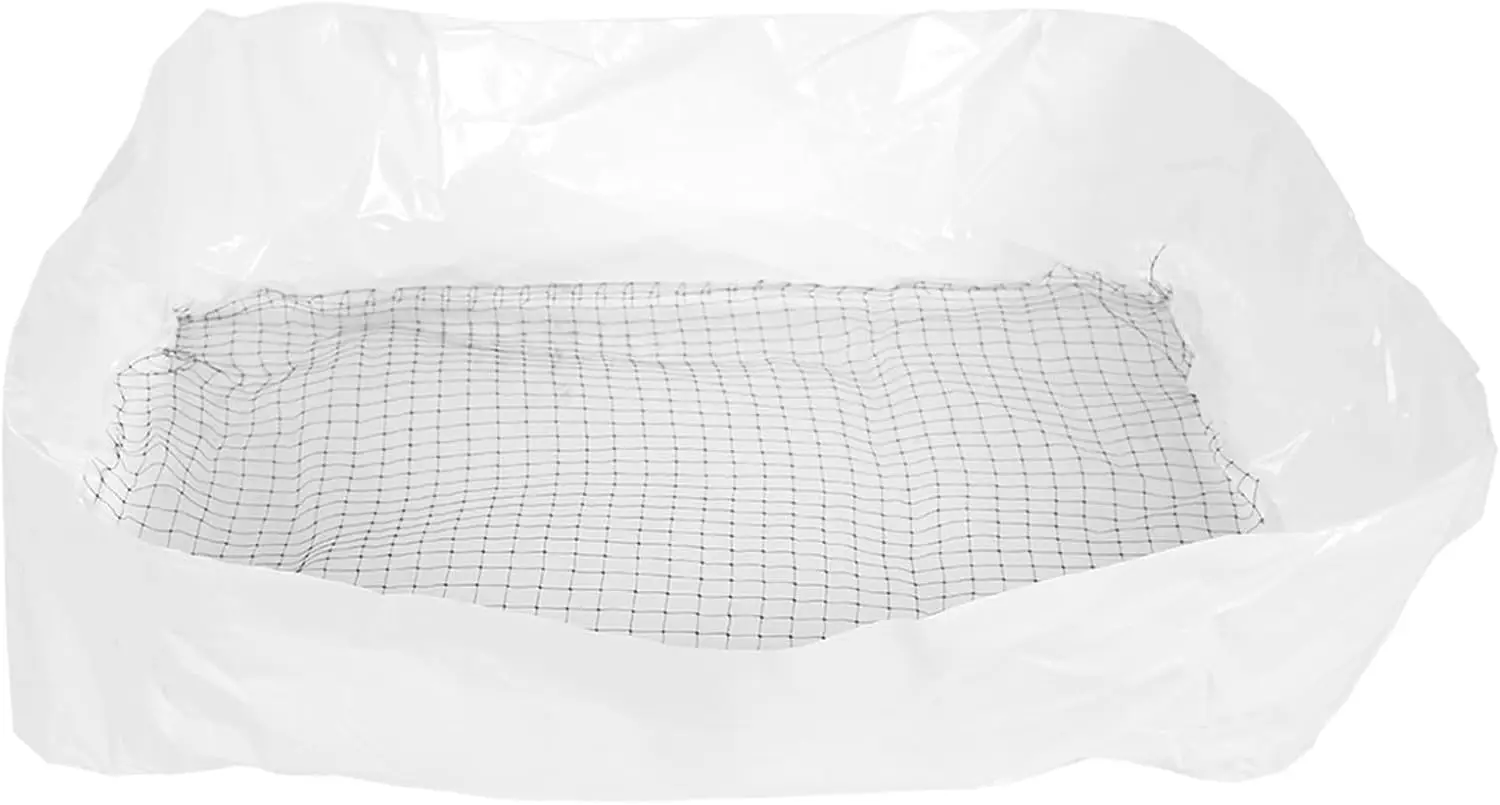
Cat litter box liners promise a simple solution to one of pet ownership’s most tedious tasks: cleaning the litter box. These plastic or fabric bags line the inside of your box, theoretically allowing you to lift out soiled litter in one quick motion without scrubbing. It sounds ideal, yet pet owner forums across Reddit, TheCatSite, and Amazon reviews reveal a stark divide between the product’s promise and actual performance.
The question isn’t just whether cat litter box liners work mechanically, but whether cats will tolerate them. According to discussions across multiple pet owner communities, approximately 40 to 60% of cat owners who try liners eventually abandon them due to either cat rejection or practical failures. This significant abandonment rate suggests that while liners work excellently for some households, they create more problems than they solve for others.
Understanding why this product category generates such mixed responses requires examining feline behavior, practical performance issues, and the specific circumstances where cat litter box liners succeed or fail. This guide synthesizes insights from veterinary professionals, behavioral research, and thousands of user experiences to help you determine whether liners suit your situation or whether alternative solutions better serve your needs.
Do Cats Like Litter Box Liners?
The straightforward answer based on feline behavior research and owner reports is that most cats either tolerate liners without strong preference or actively dislike them. Very few cats demonstrate actual preference for lined boxes over unlined alternatives.
Understanding Feline Substrate Preferences
Cats evolved as desert animals who naturally eliminate in sand-like substrates. Their instinctive digging and covering behaviors involve scratching and manipulating the litter surface. According to veterinary behaviorists, cats prefer substrates that allow natural digging without resistance or unusual textures interfering with their routine.
Cat litter box liners introduce an artificial barrier between paws and litter that some cats find uncomfortable or unnatural. Research on feline elimination preferences, including studies published in the Journal of Feline Medicine and Surgery, indicates cats demonstrate clear preferences for certain substrate characteristics: fine grain texture, adequate depth for burying, and surfaces that don’t create unusual sounds or sensations during use.
Liners violate several of these preferences. The plastic surface creates different tactile feedback than unlined box bottoms, rustles during digging, and can bunch or shift under vigorous scratching. These factors explain why behaviorists frequently identify liners as potential contributing factors when investigating litter box avoidance cases.
What Pet Owners Actually Report
Amazon reviews and forum discussions reveal consistent patterns in how cats respond to cat litter box liners. Pet owners frequently report that their cats:
Accept liners initially but gradually begin avoiding the box over days or weeks. Show hesitation entering the box, perching on edges rather than fully stepping in, or spending minimal time covering waste. Scratch vigorously at liner edges rather than litter, attempting to remove or reposition the liner itself. Shred liners with their claws, particularly cats with strong digging instincts, rendering the liner useless within hours or days.
A common experience shared across Reddit’s r/CatAdvice involves owners noticing their cat started eliminating outside the box after introducing liners, only to have the problem resolve immediately upon liner removal. While this doesn’t represent universal cat response, the frequency of these reports indicates liners trigger avoidance behaviors in a substantial percentage of cats.
Individual Variation in Acceptance
Some cats genuinely don’t mind liners or don’t notice them sufficiently to change their bathroom behavior. These cats typically include those with mellow temperaments, minimal digging behaviors, or cats who were introduced to liners as kittens before developing strong substrate preferences.
Cats with the following characteristics show higher likelihood of rejecting cat litter box liners: vigorous diggers who scratch extensively before and after eliminating, anxious or sensitive cats who notice environmental changes easily, senior cats with arthritis who struggle with textured surfaces under their paws, and declawed cats who may find the plastic surface uncomfortable on their paw pads.
The Veterinary Perspective
Veterinary professionals generally advise against cat litter box liners unless a specific cat demonstrates clear acceptance. The American Association of Feline Practitioners’ guidelines on litter box management mention that any factor potentially contributing to box avoidance should be eliminated, and liners fall into this category for many cats.
Dr. Mikel Delgado, a cat behavior expert with a PhD in psychology, notes in various educational materials that while liners offer convenience for owners, they don’t provide any benefit to cats and may create obstacles to normal elimination behavior. The recommendation from behavioral specialists typically suggests trying liners only if your cat shows no sensitivity to environmental changes and discontinuing immediately if any avoidance behaviors appear.
What Can I Use Instead of Litter Liners?
Pet owners seeking easier cleanup without the drawbacks of traditional cat litter box liners have several evidence-based alternatives that work with feline behavior rather than against it.
High-Quality Clumping Litter
The single most effective alternative involves investing in premium clumping litter. According to extensive Amazon review analysis, high-quality clumping litters form solid, easy-to-remove clumps that minimize residue sticking to box bottoms. Brands containing bentonite clay with strong clumping agents typically receive highest ratings for preventing stuck-on waste.
Customer reviews consistently indicate that litters like Dr. Elsey’s Ultra, World’s Best Cat Litter, and Arm & Hammer Clump & Seal reduce the need for liners by preventing waste from adhering to plastic surfaces. While these premium options cost $15 to $30 for a 20-pound bag compared to $8 to $15 for basic clay litter, users report the improved performance justifies the expense by eliminating scrubbing during box changes.
Box Material Selection
The litter box material itself significantly impacts how easily waste releases during cleaning. Smooth, non-porous plastic without texture or molding seams prevents waste adhesion better than boxes with rough interiors or recessed patterns.
Pet owners on forums like TheCatSite frequently recommend specific boxes known for smooth interiors, with the Sterilite storage containers and Nature’s Miracle High-Sided Litter Box receiving particular mention. These smooth-interior boxes combined with quality clumping litter often eliminate the need for cat litter box liners entirely.
Disposable Litter Boxes
For owners primarily using liners to avoid cleaning, disposable litter boxes offer a complete alternative. These cardboard or recycled paper boxes cost $3 to $8 each and last approximately three to four weeks before requiring replacement. While more expensive than traditional boxes long-term, they eliminate all cleaning while avoiding the cat-rejection issues associated with liners.
Brands like Kitty’s WonderBox and Nature’s Miracle disposable boxes receive consistent positive feedback in customer reviews, with users noting their cats show no behavioral difference compared to traditional boxes. Environmental concerns exist with this disposable approach, though some brands now offer biodegradable options that compost rather than contribute to landfills.
Litter Box Spray Coatings
Non-stick spray coatings designed specifically for litter boxes create a slippery surface that prevents waste adhesion without introducing foreign textures that bother cats. Products like Pooph Litter Box Spray and various silicone-based coatings receive mention in pet owner communities as effective alternatives to cat litter box liners.
These sprays typically cost $8 to $15 per bottle, last for multiple applications, and don’t alter the sensory experience for cats since they dry completely smooth. User reports suggest these coatings reduce scrubbing time by 50 to 70% compared to untreated boxes, though they require reapplication every few weeks to maintain effectiveness.
The Baking Soda Layer Method
A time-tested, budget-friendly approach involves sprinkling a generous layer of baking soda on the clean box bottom before adding litter. This creates a barrier that absorbs moisture and odors while preventing waste from bonding directly to plastic. According to long-time cat owners in various forums, this method costs pennies per application and doesn’t interfere with feline bathroom behavior.
The baking soda layer works synergistically with clumping litter, helping clumps form before moisture reaches the box bottom. Pet owners report that boxes treated this way release all contents cleanly during litter changes, often requiring only a quick rinse rather than aggressive scrubbing.
Silicone Litter Box Mats as Liners
An unconventional but increasingly mentioned alternative involves using flexible silicone litter mats as box liners. These mats, originally designed to sit outside boxes to catch tracked litter, can be trimmed to fit inside boxes. Unlike plastic liners, silicone doesn’t rustle, provides traction for cat paws, and releases waste easily during cleaning.
This approach appears less frequently in mainstream discussions but receives strong endorsements from users who’ve tried it, particularly in Facebook cat owner groups. The initial investment of $15 to $25 for a large silicone mat that can be cut to size compares favorably to ongoing liner purchases while avoiding behavioral problems associated with traditional cat litter box liners.
Do Cats Prefer Covered or Uncovered Litter Boxes?
This question frequently appears alongside liner discussions because both involve modifying the litter box environment, and understanding cat preferences about one helps inform decisions about the other.
Research on Box Design Preferences
Studies examining feline litter box preferences, including research from the University of California Davis School of Veterinary Medicine, suggest that when given choices, more cats select uncovered boxes over covered alternatives. However, the preference isn’t universal, and individual variation plays a significant role.
Veterinary behaviorists explain that cats’ wild ancestors eliminated in open areas where they could monitor for predators and escape if necessary. Covered boxes conflict with these instincts by limiting visibility and restricting escape routes. This evolutionary context helps explain why approximately 60 to 70% of cats demonstrate preference for or better acceptance of uncovered boxes when both options are available.
The Covered Box Trade-offs
Pet owners frequently choose covered boxes for the same reasons they consider cat litter box liners: containing odors, reducing litter scatter, and creating more aesthetically pleasing setups. However, customer reviews on Amazon and discussions across pet forums reveal that covered boxes create several issues parallel to liner problems.
Covered boxes trap odors inside the enclosure, creating concentrated ammonia that overwhelms sensitive feline noses. What seems less smelly to humans often becomes unbearably odorous for the cat using it. Forums frequently feature owners reporting that switching from covered to uncovered boxes resolved elimination problems they’d struggled with for months.
The size constraints of covered boxes compound the issue. Most hooded designs measure smaller than equivalent uncovered boxes due to the hood structure, and the standard veterinary recommendation of boxes being 1.5 times the cat’s length rarely applies to covered commercial options.
Individual Cats Who Prefer Coverage
Despite general preferences favoring open boxes, some cats genuinely prefer covered designs. These typically include naturally timid cats who seek enclosed spaces for security, cats in busy households who appreciate privacy from foot traffic and other pets, and cats who experienced covered boxes exclusively from kittenhood.
Owners can determine individual preferences through simple testing: providing both covered and uncovered boxes of similar size and monitoring which receives more use over two to three weeks. Observation of entrance hesitation, time spent in each box, and any avoidance behaviors clarifies actual preference versus owner assumptions.
Practical Compromise Solutions
High-sided uncovered boxes offer middle-ground solutions that address owner concerns about scatter and visibility while maintaining the open design cats prefer. Boxes with 10-to-15-inch walls contain enthusiastic diggers’ litter while providing the visibility and ventilation that support natural feline bathroom behavior.
This compromise appears frequently in recommendations from cat behavior consultants who work with clients experiencing elimination problems. The high-sided open design combined with quality litter and alternatives to cat litter box liners creates optimal conditions for most cats.
What Is the Best Thing to Line a Litter Box With?
For situations where some form of box lining provides genuine benefit, understanding which materials work best helps avoid the common pitfalls of standard plastic liners.
When Lining Makes Sense
Legitimate circumstances exist where lining a litter box serves practical purposes beyond simple convenience. Foster situations where litter boxes move between households benefit from liners as disease prevention measures. Cats with infectious conditions or parasites may require disposal of all litter and liner together to prevent household contamination.
Temporary lining during travel, when introducing new cats who might have unknown health issues, or when managing elder cats with frequent accidents all represent situations where the trade-offs of cat litter box liners become acceptable given the specific circumstances.
Puppy Training Pads as Alternatives
An increasingly popular alternative mentioned across Reddit, Quora, and specialized cat forums involves using disposable puppy training pads instead of traditional liners. These absorbent pads sit flat on the box bottom, don’t rustle like plastic, and absorb liquid that escapes clumping action.
Pet owners report that cats tolerate pads significantly better than plastic liners because the pad texture resembles familiar soft surfaces rather than introducing unusual plastic sensations. The pads cost approximately $0.20 to $0.50 each depending on size and brand, comparable to quality liners but with better feline acceptance based on user feedback.
Heavy-Duty Contractor Bags
When liners are necessary, contractor-grade garbage bags offer superior durability compared to purpose-made cat litter box liners. These thick plastic bags resist tearing from cat claws and don’t shift or bunch as easily as thin liners.
The approach involves selecting bags sized appropriately for your box, placing the open bag inside with excess plastic folded over the box edges, then filling with litter as normal. While not specifically designed for this purpose, contractor bags cost less per use than branded liners and perform better according to users who’ve tested both options extensively.
Fabric Reusable Liners
Washable fabric liners represent another category worth considering despite limited commercial availability. These liners, sometimes homemade from waterproof fabric, provide texture cats find more acceptable than plastic while offering reusable convenience.
The fabric surface doesn’t rustle during digging and provides better traction than slippery plastic. However, this option requires commitment to regular washing and thorough sanitizing, making it practical only for owners willing to handle soiled liners regularly. Small-scale commercial options exist in the $15 to $25 range, while DIY versions cost significantly less if you’re comfortable with basic sewing.
The Case for No Liner
Industry data and veterinary guidance generally recommend no lining material as the optimal choice for the majority of cats and situations. This approach, combined with proper box selection, quality litter, and reasonable cleaning techniques, produces the best behavioral outcomes.
Customer review analysis across major retailers reveals that satisfaction ratings for litter boxes used without liners average higher than ratings for the same boxes used with liners. This pattern holds across price points and box styles, suggesting that cat litter box liners address a problem that often doesn’t require this particular solution.
Best Cat Litter Box Liners: What Actually Works
For owners determined to use liners despite behavioral considerations, understanding which products minimize common failure points increases success probability.
Features That Matter in Quality Liners
Based on extensive Amazon review analysis and forum discussions, the most successful cat litter box liners share several characteristics. Thickness represents the primary quality indicator, with liners measuring 2 to 3 mils performing significantly better than standard 1-mil options. The thicker material resists tearing from cat claws and maintains integrity through normal digging behavior.
Drawstring or elastic edges reduce shifting and bunching that creates uncomfortable textures for cats and exposure points where waste contacts the box directly. Customer reviews consistently rate drawstring liners higher than flat liners across all brands, with users reporting the secure fit addresses the most common liner failure mode.
Size accuracy matters more than many buyers expect. Liners that fit snugly without excessive material bunching in corners work better than oversized options, while undersized liners that don’t fully cover box bottoms defeat the purpose entirely. Checking actual box dimensions and comparing to liner specifications prevents fit problems that plague many purchases.
Frequently Recommended Products
Pet owners across multiple platforms mention specific products that outperform typical options. The iPrimio Premium Cat Litter Box Liners receive consistent positive feedback for their 3-mil thickness and reinforced construction, with users noting they withstand aggressive diggers better than standard liners. Priced around $15 to $20 for packs of 10, they cost more per liner but last longer according to comparative reviews.
The Kitty City XL Drawstring Cat Litter Box Liners appear frequently in recommendations for large boxes, with the drawstring design and generous sizing accommodating boxes up to 22 inches. Multiple review analyses show these performing adequately for cats who tolerate liners, though rejection rates remain comparable to other quality options.
The Nature’s Miracle Advanced Cat Litter Box Liners include antimicrobial properties designed to reduce bacterial growth and odors. While the antimicrobial claims are difficult to verify from user reviews alone, owners report these work similarly to other quality liners while potentially extending time between complete box changes.
Realistic Expectations
Even the best cat litter box liners don’t solve all cleanup challenges and don’t work for all cats. Reviews for top-rated liners still include 20 to 30% negative experiences, typically involving either cat rejection or mechanical failure. This consistency across products suggests inherent limitations in the liner concept rather than specific product defects.
Pet owners should approach liner purchases as experiments rather than guaranteed solutions. Starting with small quantities rather than bulk packs allows testing without significant investment if your cat rejects them. Several forum users recommend buying single-package quantities of multiple brands to determine which, if any, your specific cat tolerates.
Cost-Benefit Analysis
Standard cat litter box liners cost approximately $0.30 to $1.00 per liner depending on quality and quantity purchased. For a single cat requiring weekly full box changes, annual liner costs range from $15 to $50. This expense seems modest, but accumulates over multiple cats or years of ownership.
Comparing this ongoing cost against alternatives like premium clumping litter ($15 to $30 per month regardless of liner use), non-stick sprays ($10 to $15 for multiple applications), or simply accepting the need to scrub boxes occasionally helps contextualize whether cat litter box liners represent value. Many long-term cat owners conclude the modest cost savings don’t justify behavioral risks or practical limitations.
Common Mistakes When Using Cat Litter Box Liners
Understanding frequent failures helps owners either avoid problems or recognize when liners won’t work for their situation.
Insufficient Litter Depth Over Liners
One of the most common errors involves using shallow litter depths with cat litter box liners, assuming the liner provides protection regardless of litter amount. However, thin litter layers allow cats to scratch through to the liner surface easily, where their claws catch and tear the material.
Veterinary guidelines recommend 2 to 3 inches of litter depth for optimal digging and covering behavior. When using liners, this depth becomes even more critical because it protects the liner from direct claw contact during normal digging. Reviews frequently mention liner shredding, which often results from inadequate litter coverage rather than defective products.
Using Liners with Highly Active Diggers
Some cats dig extensively before and after elimination, creating conditions where even quality cat litter box liners fail quickly. Pet owners sometimes persist with liners despite their cat’s vigorous digging habits, replacing shredded liners repeatedly rather than recognizing the incompatibility.
Forum discussions reveal that owners of “digger” cats who abandon liners report significant stress reduction once they accept that their particular cat makes liners impractical. The time spent dealing with torn liners exceeds the time saved on cleanup, making the entire exercise counterproductive.
Ignoring Early Rejection Signs
Subtle changes in litter box behavior often precede complete avoidance. Cats who begin perching on box edges, spending less time covering waste, or showing hesitation before entering may be expressing discomfort with cat litter box liners. Owners who miss these early warnings sometimes face full-blown elimination problems requiring extensive behavioral rehabilitation.
Veterinary behaviorists emphasize monitoring any environmental changes to litter boxes carefully, with immediate reversal if cats show the slightest behavioral shift. The convenience of liners never justifies risking inappropriate elimination, which damages the cat-owner relationship and potentially leads to rehoming in severe cases.
Expecting Liners to Reduce Cleaning Frequency
Some owners assume cat litter box liners allow extending time between complete box cleanings. However, hygiene requirements remain identical regardless of liner use. The bacterial growth, ammonia accumulation, and odor development that dictate cleaning schedules proceed at the same rate whether liners are present or not.
This misconception leads to boxes remaining unchanged too long, creating unsanitary conditions that cause cats to avoid them. Liners simply facilitate the disposal process during scheduled changes rather than extending the intervals between those changes.
Using Damaged or Torn Liners
Once a liner tears or develops holes, its protective function fails completely. Some owners continue using compromised liners rather than replacing them immediately, which provides no cleanup benefit while maintaining all the behavioral risks. If a liner tears during initial setup or early use, replace it immediately rather than proceeding with damaged material.
Making the Right Choice for Your Household
Deciding whether cat litter box liners fit your situation requires honest assessment of your cats’ characteristics, your priorities, and your willingness to experiment.
Evaluating Your Cat’s Likelihood of Acceptance
Cats most likely to accept liners include those with mellow temperaments who don’t notice environmental changes easily, minimal diggers who simply eliminate without extensive scratching, and cats successfully using liners since kittenhood. If your cat falls into these categories, cautious experimentation with quality liners may succeed.
Cats likely to reject cat litter box liners include vigorous diggers, anxious or sensitive individuals, senior cats with mobility challenges, and any cat with current or previous litter box avoidance issues. For these cats, the behavioral risks outweigh convenience benefits.
Considering Alternative Solutions First
Before introducing liners, pet owners should explore less behaviorally risky alternatives. Upgrading to premium clumping litter, ensuring optimal box size and cleanliness, and using non-stick spray coatings often achieve desired cleanup improvements without liner-related complications.
If these alternatives meet your needs, introducing cat litter box liners becomes unnecessary and potentially counterproductive. The general principle of minimal environmental modification serves cats’ behavioral stability better than seeking marginal convenience gains.
Implementing a Proper Trial Period
If testing liners, introduce them properly rather than making abrupt switches. Place a liner in a secondary litter box while maintaining your cat’s primary unlined box for at least one week. This allows cats to demonstrate preference through usage patterns without forcing them into potentially uncomfortable situations.
Monitor daily for any behavioral changes, including box usage frequency, time spent in the box, covering behaviors, and any accidents outside boxes. If your cat shows any hesitation or avoidance, remove the liner immediately and appreciate that you’ve identified an incompatibility before it caused serious problems.
Knowing When to Abandon the Effort
Clear indicators suggest when to discontinue cat litter box liners: repeated liner shredding requiring constant replacement, any decrease in box usage frequency, appearance of elimination outside the box, and changes in your cat’s demeanor around bathroom times.
The decision to stop using liners doesn’t represent failure but rather responsible pet ownership that prioritizes feline wellbeing over minor human conveniences. Many experienced cat owners view their liner abandonment as lessons learned rather than regrets.
Conclusion: Realistic Expectations About Cat Litter Box Liners
Cat litter box liners represent a product category where marketing promises significantly exceed real-world performance for many cats and owners. While they function exactly as designed for cats who tolerate them, the substantial percentage of cats who reject liners or destroy them quickly makes universal recommendations impossible.
The evidence from veterinary behaviorists, industry research, and thousands of pet owner experiences suggests that liners work best as specialized solutions for specific circumstances rather than standard litter box management tools. Most cats and owners achieve better results through alternative approaches: quality clumping litter, properly sized boxes with smooth interiors, appropriate cleaning frequencies, and acceptance that some level of cleaning remains inherent to cat ownership.
For owners determined to use cat litter box liners, success requires high-quality products, careful monitoring of feline acceptance, and immediate discontinuation if any behavioral concerns emerge. The modest time savings potential never justifies risking litter box avoidance, which creates problems far more serious than the minor inconvenience liners aim to prevent.
Ultimately, the best litter box setup is the one your cat uses consistently and comfortably. Whether that includes liners depends entirely on your individual cat’s response, not on theoretical benefits or other owners’ success stories. Let your cat’s behavior guide your decision, and maintain the flexibility to adjust when their response indicates the need for change.
Read also: Can Cats Share a Litter Box? The Complete Multi-Cat Household Guide