
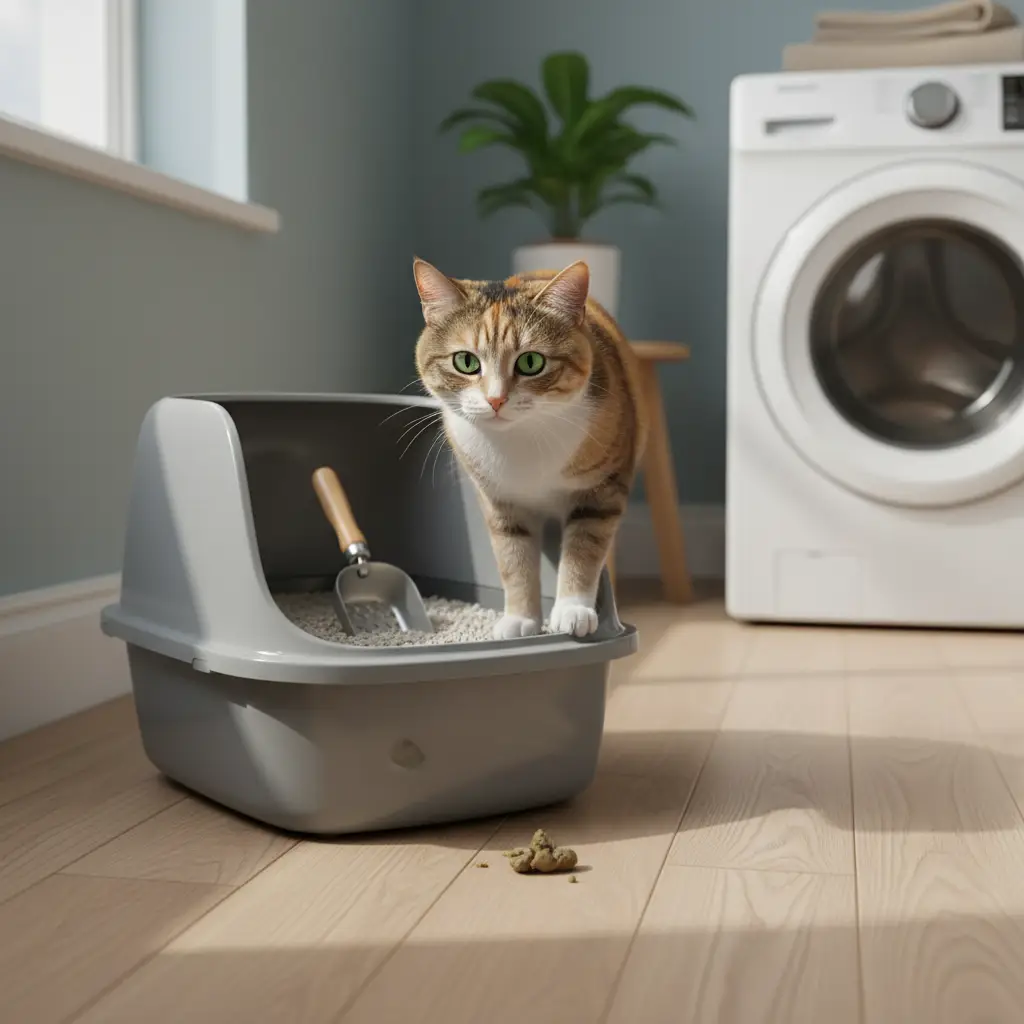
Finding your cat pooping outside the litter box can be frustrating and concerning for any pet owner. This behavior, medically known as inappropriate elimination, affects millions of cats and their families worldwide. While it might seem like your feline friend is acting out of spite, there are usually underlying medical or behavioral reasons that cause this issue. Understanding why your cat is avoiding their litter box is the first step toward resolving this common problem and restoring harmony in your home.
When cats suddenly change their bathroom habits, they’re often trying to communicate that something isn’t right. Whether it’s a medical condition, stress, or simply dissatisfaction with their litter box setup, your cat’s behavior is their way of telling you they need help. The good news is that most cases of inappropriate elimination can be successfully resolved with the right approach and patience.
Common Medical Causes of Inappropriate Elimination
Before assuming your cat’s behavior is purely behavioral, it’s crucial to rule out medical conditions that could be causing them to avoid their litter box. Many health issues can make using the litter box uncomfortable or even painful for your feline companion.
Digestive System Problems
Gastrointestinal issues are among the most common medical reasons for cats pooping outside their designated area. These conditions can cause urgency, pain, or discomfort that makes it difficult for your cat to reach their litter box in time. Inflammatory bowel disease, food allergies, and intestinal parasites can all lead to loose stools or sudden urges that catch your cat off guard.
Constipation is another frequent culprit that causes cats to associate the litter box with discomfort. When cats strain to defecate, they may begin avoiding the location where they experience pain, even after the underlying condition is treated. This learned avoidance can persist long after the medical issue is resolved.
Arthritis and Mobility Issues
Senior cats often develop arthritis or other mobility problems that make accessing their litter box challenging. Climbing into a high-sided box or navigating stairs to reach the bathroom area can become too painful for cats with joint problems. Even younger cats can experience mobility issues due to injuries or genetic conditions.
Signs that mobility might be affecting your cat’s litter box habits include hesitation before jumping, stiffness when walking, or choosing to eliminate in more accessible locations. Cats with arthritis may also show reduced activity levels and spend more time sleeping.
Cognitive Dysfunction in Senior Cats
Older cats can develop cognitive dysfunction syndrome, similar to dementia in humans. This condition affects memory, spatial awareness, and learned behaviors, including litter box training. Cats with cognitive dysfunction may forget where their litter box is located or lose the association between the box and appropriate elimination.
Behavioral and Environmental Factors
When medical causes are ruled out, behavioral and environmental factors often explain why your cat is pooping outside the litter box. Cats are creatures of habit with specific preferences, and changes to their environment or routine can trigger elimination problems.
Litter Box Aversion
Cats can develop strong aversions to their litter box based on negative experiences. If your cat experienced pain while using the box due to a medical condition, they might continue avoiding it even after treatment. Similarly, being startled while in the litter box or having an unpleasant encounter near the box can create lasting negative associations.
The location of the litter box plays a significant role in your cat’s willingness to use it. Boxes placed in high-traffic areas, near loud appliances, or in locations that feel unsafe can cause cats to seek alternative bathroom spots. Cats prefer quiet, private locations where they won’t be disturbed during vulnerable moments.
Stress and Environmental Changes
Cats are sensitive to changes in their environment, and stress can manifest as inappropriate elimination. Common stressors that might cause your cat to avoid their litter box include moving to a new home, introducing new pets or family members, changes in routine, or construction noise.
Multi-cat households often experience elimination problems due to territorial disputes or resource competition. Even cats that generally get along may compete for litter box access, leading some cats to find alternative locations. Social stress between cats can be subtle, with dominant cats preventing others from using shared resources.
Litter Box Setup and Maintenance Issues
The condition and setup of your cat’s litter box significantly impact their willingness to use it. Cats have specific preferences regarding cleanliness, litter type, box size, and location. Understanding and accommodating these preferences is essential for preventing elimination problems.
Dirty litter boxes are one of the most common reasons cats seek alternative bathroom locations. Cats have a keen sense of smell and may refuse to use a box that doesn’t meet their cleanliness standards. What seems clean to humans might still be too dirty for a fastidious feline.
Step-by-Step Solutions to Fix the Problem
Resolving inappropriate elimination requires a systematic approach that addresses both potential causes and environmental factors. Follow these steps to help your cat return to proper litter box usage.
Step 1: Schedule a Veterinary Examination
The first and most important step is scheduling a comprehensive veterinary examination to rule out medical causes. Bring a fresh stool sample if possible, and provide your veterinarian with detailed information about when the behavior started, frequency, and any other changes you’ve noticed in your cat’s behavior or health.
Be prepared to discuss your cat’s diet, recent changes in the household, and current litter box setup. Your veterinarian may recommend blood work, fecal examination, or other diagnostic tests to identify underlying health issues. Don’t skip this step even if you suspect the cause is behavioral, as medical and behavioral factors often overlap.
Step 2: Optimize Litter Box Setup
While addressing any medical issues, simultaneously evaluate and improve your litter box setup. The general rule is to provide one litter box per cat plus one additional box. This ensures adequate access and reduces competition in multi-cat households.
Choose appropriately sized boxes that allow your cat to enter, turn around, and dig comfortably. Most cats prefer uncovered boxes that don’t trap odors or make them feel confined. Place boxes in quiet, easily accessible locations away from food and water bowls.
Step 3: Improve Litter Box Maintenance
Establish a consistent cleaning routine that meets your cat’s cleanliness standards. Scoop solid waste daily and change litter completely at least once weekly. Some cats require even more frequent cleaning, especially in multi-cat households.
When cleaning accidents outside the litter box, use enzymatic cleaners specifically designed for pet waste. Regular household cleaners may not eliminate odors completely, and lingering scents can attract cats back to inappropriate locations. Thoroughly clean and neutralize all accident sites to prevent repeat incidents.
Step 4: Address Stress and Environmental Factors
Identify and minimize stressors in your cat’s environment. Provide multiple resources including food bowls, water dishes, and resting areas to reduce competition between cats. Consider using pheromone diffusers or sprays to help create a calming environment.
Maintain consistent routines for feeding, play, and interaction. Cats find comfort in predictability, and stable routines can help reduce stress-related elimination problems. If major changes are unavoidable, introduce them gradually when possible.
Prevention Strategies for Long-term Success
Preventing future episodes of inappropriate elimination requires ongoing attention to your cat’s needs and environment. These proactive strategies can help maintain good litter box habits throughout your cat’s life.
Regular Health Monitoring
Schedule regular veterinary checkups to catch health issues early before they impact litter box behavior. Senior cats should be examined more frequently, as age-related conditions can develop quickly. Monitor your cat’s elimination habits as part of their overall health assessment.
Keep a log of any changes in your cat’s bathroom habits, including frequency, consistency, and location. This information can be valuable for identifying patterns and catching problems early. Early intervention is often more successful and less stressful for both you and your cat.
Maintain Optimal Litter Box Conditions
Establish and maintain high standards for litter box cleanliness and setup. Regular maintenance prevents many common problems and keeps your cat satisfied with their bathroom facilities. Consider your cat’s individual preferences and adjust accordingly.
Gradually introduce any changes to litter type, box style, or location. Cats can be resistant to sudden changes, so transition slowly to avoid triggering avoidance behaviors. Keep the old setup available while introducing new elements to give your cat time to adjust.
Environmental Enrichment and Stress Reduction
Provide a enriching environment that meets your cat’s physical and emotional needs. Regular play sessions, comfortable resting areas, and mental stimulation can help reduce stress and maintain overall well-being. A content, healthy cat is less likely to develop elimination problems.
In multi-cat households, ensure adequate resources and territory for each cat. Vertical space, multiple feeding stations, and several litter boxes help reduce competition and territorial stress. Monitor cat relationships and intervene if conflicts develop.
Common Mistakes Cat Owners Make
Avoiding these common errors can improve your success in resolving elimination problems and prevent making the situation worse.
Punishment and Negative Reinforcement
Never punish your cat for eliminating outside the litter box. Punishment increases stress and can worsen the problem while damaging your relationship with your cat. Cats don’t understand punishment in the context of past actions and may become more anxious about elimination.
Rubbing your cat’s nose in accidents or yelling at them is counterproductive and cruel. Instead, focus on positive reinforcement when your cat uses the litter box correctly and address underlying causes of the inappropriate behavior.
Inadequate Cleaning of Accident Sites
Using regular household cleaners instead of enzymatic cleaners designed for pet waste is a common mistake. Cats have sensitive noses and can detect odors humans can’t smell. If accident sites aren’t properly neutralized, cats may continue returning to those locations.
Clean accidents immediately and thoroughly treat the area with appropriate cleaners. Allow cleaners adequate time to work before allowing your cat access to the area. Consider professional cleaning for carpets or furniture with persistent odors.
Ignoring Medical Possibilities
Assuming the problem is purely behavioral without ruling out medical causes can lead to prolonged suffering for your cat and continued frustration for you. Many medical conditions that cause elimination problems are treatable when diagnosed early.
Even if previous episodes were behavioral, new incidents should prompt veterinary evaluation. Cats can develop multiple issues over time, and what was once behavioral might now have a medical component.
When to Consult Your Veterinarian
Certain situations require immediate veterinary attention, while others warrant prompt but less urgent consultation. Understanding when to seek professional help can prevent complications and improve outcomes.
Emergency Situations
Contact your veterinarian immediately if your cat shows signs of straining to defecate without producing stool, appears to be in pain, or shows other concerning symptoms like vomiting, lethargy, or loss of appetite. These signs could indicate serious conditions requiring immediate treatment.
Blood in the stool, whether in the litter box or elsewhere, always warrants veterinary evaluation. While some causes are minor, others can be serious and require prompt treatment. Don’t wait to see if the problem resolves on its own.
Persistent or Worsening Problems
If your cat continues pooping outside the litter box despite your efforts to address the issue, consult your veterinarian for additional guidance. Persistent problems may require prescription medications, specialized diets, or referral to a veterinary behaviorist.
Sudden changes in elimination habits, especially in senior cats, should be evaluated promptly. Age-related conditions can develop quickly and significantly impact quality of life if left untreated. Early intervention often leads to better outcomes.
Creating a Cat-Friendly Bathroom Environment
The ideal litter box setup considers your cat’s natural instincts and preferences. Understanding what cats look for in a bathroom area can help you create an environment that encourages proper elimination habits.
Litter Box Specifications
Choose litter boxes that are large enough for your cat to move comfortably. A good rule of thumb is that the box should be at least one and a half times your cat’s length. Avoid boxes that are too deep for easy entry, especially for senior cats or those with mobility issues.
Most cats prefer unscented, clumping litter with a fine texture similar to sand. Avoid heavily scented litters or those with large granules that might be uncomfortable on sensitive paw pads. If you need to change litter types, do so gradually by mixing increasing amounts of the new litter with the old.
Strategic Placement and Accessibility
Place litter boxes in quiet, low-traffic areas where your cat won’t be startled or interrupted. Avoid locations near loud appliances, in cramped spaces, or areas where your cat might feel trapped. Ensure easy access from your cat’s favorite areas of the house.
For multi-level homes, provide at least one litter box on each floor to ensure accessibility. Senior cats or those with mobility issues may need boxes placed closer to their preferred resting areas to reduce the distance they need to travel.
Long-term Management and Monitoring
Successfully resolving inappropriate elimination often requires ongoing attention and occasional adjustments. Maintaining good litter box habits is an ongoing process rather than a one-time fix.
Keep detailed records of your cat’s elimination habits, including any changes in frequency, consistency, or location. This information helps identify patterns and catch potential problems early. Regular monitoring is especially important for senior cats or those with chronic health conditions.
Be prepared to make adjustments as your cat ages or if circumstances change. What works for a young, healthy cat might need modification as they develop arthritis or other age-related conditions. Flexibility and willingness to adapt your approach are key to long-term success.
Remember that resolving cat pooping outside the litter box issues takes patience and persistence. Most cases can be successfully managed with the right combination of medical treatment, environmental modifications, and consistent care. By understanding your cat’s needs and addressing underlying causes, you can help restore proper elimination habits and maintain a harmonious relationship with your feline companion.