
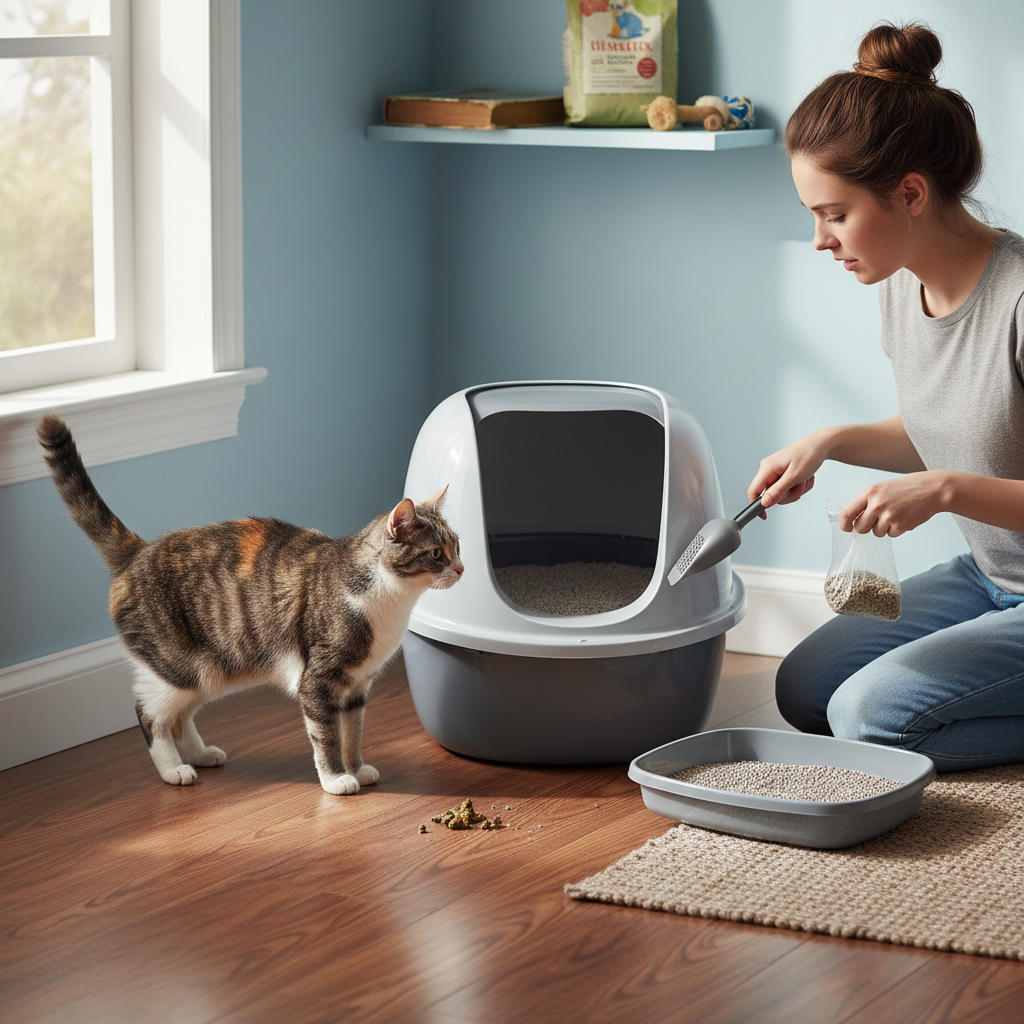
If you’re wondering why is my cat pooping outside the litter box, you’re not alone. This frustrating behavior affects countless cat owners and can stem from various medical, behavioral, or environmental factors. Understanding the root cause is essential for finding an effective solution and restoring harmony to your home. While occasional accidents happen, consistent elimination outside the litter box requires immediate attention to prevent the behavior from becoming a permanent habit.
Inappropriate elimination is one of the most common reasons cats are surrendered to shelters, making it crucial to address this issue promptly and effectively. The good news is that most cases can be resolved once you identify and address the underlying cause. This comprehensive guide will help you understand the various reasons behind this behavior and provide vet-approved solutions to get your feline friend back on track.
Medical Reasons Your Cat Is Pooping Outside the Litter Box
Before assuming your cat is being defiant or territorial, it’s essential to rule out medical conditions. Many health issues can cause cats to avoid their litter box or lose control of their bowel movements. These medical problems often cause discomfort or urgency that makes it difficult for cats to reach their designated elimination area in time.
Digestive System Disorders
Gastrointestinal issues are among the most common medical reasons for inappropriate elimination. When cats experience digestive discomfort, they may associate the litter box with pain and begin avoiding it entirely. Common digestive disorders that can lead to this behavior include inflammatory bowel disease, which causes chronic inflammation of the digestive tract, and food allergies or intolerances that result in loose stools or urgent bowel movements.
Intestinal parasites, such as roundworms, hookworms, or giardia, can also cause significant digestive upset. These parasites irritate the intestinal lining, leading to diarrhea, increased frequency of bowel movements, and difficulty controlling elimination. Even indoor cats can contract parasites through contaminated food, water, or by tracking in eggs on their paws.
Arthritis and Mobility Issues
Senior cats frequently develop arthritis in their joints, making it painful to climb into high-sided litter boxes or maintain the squatting position necessary for proper elimination. If your older cat suddenly starts pooping outside the litter box, joint pain could be the culprit. Cats are masters at hiding pain, so mobility issues may not be immediately obvious to owners.
Hip dysplasia, spinal problems, and other orthopedic conditions can also make litter box access challenging. Cats experiencing pain may choose more comfortable locations for elimination, such as soft carpets or smooth bathroom floors that don’t require climbing or awkward positioning.
Neurological Conditions
Neurological disorders can affect a cat’s ability to control bowel movements or recognize the appropriate location for elimination. Conditions such as cognitive dysfunction syndrome (similar to dementia in humans) can cause confusion and changes in bathroom habits. Spinal cord injuries or diseases can also disrupt the nerve signals that control bowel function.
Behavioral and Psychological Factors
When medical causes have been ruled out, behavioral and psychological factors often explain why cats poop outside the litter box. Cats are sensitive creatures that respond strongly to changes in their environment, routine, or stress levels. Understanding these behavioral triggers is key to addressing the problem effectively.
Stress and Anxiety
Stress is a significant contributor to inappropriate elimination in cats. Major life changes such as moving to a new home, introducing new pets or family members, or changes in daily routine can trigger anxiety-related bathroom problems. Cats may also experience stress from external factors like construction noise, neighborhood cats visible through windows, or changes in their owner’s schedule.
Some cats develop separation anxiety when their owners are away for extended periods, leading to elimination problems as a way of coping with stress. This behavior often occurs near the owner’s belongings or in areas that smell strongly of the owner, such as bedrooms or clothing.
Territorial Marking Behavior
While more commonly associated with urination, some cats may also defecate outside the litter box as a form of territorial marking. This behavior is more likely in multi-cat households where competition for resources exists. Intact males and females are more prone to marking behaviors, but spayed and neutered cats can also exhibit this tendency under certain circumstances.
Territorial marking typically occurs near doors, windows, or areas where the cat has detected the scent of other animals. The behavior may intensify during times of stress or when the cat feels their territory is being threatened by outdoor cats or new pets in the household.
Litter Box Problems and Environmental Issues
Sometimes the answer to why is my cat pooping outside the litter box lies with the litter box setup itself. Cats have specific preferences regarding their elimination environment, and failure to meet these preferences can result in avoidance behaviors. Understanding and accommodating your cat’s litter box preferences is crucial for maintaining proper bathroom habits.
Litter Box Cleanliness and Maintenance
Cats are naturally clean animals with a strong instinct to bury their waste. A dirty litter box violates this instinct and can cause cats to seek alternative elimination sites. Most cats prefer their litter box to be scooped daily, with complete litter changes performed weekly. Some particularly fastidious cats may require even more frequent cleaning.
The type of litter used can also impact your cat’s willingness to use the box. Sudden changes in litter brand, texture, or scent can cause avoidance. Heavily perfumed litters may be overwhelming to a cat’s sensitive nose, while some cats have texture preferences that make certain litters uncomfortable on their paws.
Litter Box Size, Location, and Accessibility
The physical characteristics of the litter box itself play a crucial role in your cat’s willingness to use it. Boxes that are too small force cats into uncomfortable positions, while boxes with sides that are too high may be difficult for senior or arthritic cats to access. The general rule is that the litter box should be at least one and a half times the length of your cat from nose to tail.
Location is equally important. Litter boxes placed in high-traffic areas, near food and water bowls, or in locations that feel unsafe or enclosed may be avoided. Cats prefer quiet, easily accessible locations where they can see potential threats approaching. Basement locations may be too far away for senior cats or too scary for anxious cats.
Multi-Cat Household Dynamics
In households with multiple cats, competition for litter box access can lead to elimination problems. The general recommendation is to provide one litter box per cat plus one additional box. This ensures that even if one box is occupied or dirty, other options remain available.
Bullying between cats can also prevent subordinate cats from accessing the litter box. Dominant cats may guard litter box areas or ambush other cats during elimination, creating negative associations with the litter box location. Providing multiple litter boxes in different areas of the home can help reduce competition and territorial disputes.
Step-by-Step Solutions to Fix the Problem
Addressing inappropriate elimination requires a systematic approach that tackles both immediate cleanup needs and underlying causes. Following these steps in order will give you the best chance of resolving the issue permanently.
Immediate Response and Cleanup
When you discover accidents outside the litter box, prompt and thorough cleanup is essential to prevent repeat incidents in the same location. Clean the affected area with an enzymatic cleaner specifically designed for pet waste, as these products break down odor-causing compounds that regular cleaners cannot eliminate.
Avoid using ammonia-based cleaners, as the scent resembles cat urine and may actually attract your cat back to the same spot. After cleaning, consider temporarily blocking access to the area or placing food and water bowls there, as cats typically won’t eliminate where they eat.
Veterinary Examination and Diagnostic Testing
Schedule a comprehensive veterinary examination to rule out medical causes. Your veterinarian may recommend diagnostic tests such as fecal examination for parasites, blood work to check organ function, or imaging studies to evaluate for arthritis or other structural problems. Be prepared to provide details about your cat’s elimination habits, including frequency, consistency, and any changes you’ve observed.
If medical issues are identified, follow your veterinarian’s treatment recommendations closely. Many medical causes of inappropriate elimination can be successfully managed with proper treatment, leading to rapid improvement in bathroom habits.
Litter Box Optimization
Evaluate and improve your current litter box setup based on your cat’s preferences and needs. Start by ensuring you have an adequate number of boxes for your household, following the one-per-cat-plus-one rule. Consider upgrading to larger boxes or boxes with lower sides if accessibility seems to be an issue.
Experiment with different litter types if your cat seems to have developed an aversion to their current litter. Make changes gradually by mixing new litter with the old type over several days. Unscented, clumping clay litters are generally well-accepted, but some cats prefer non-clumping or natural alternatives.
Prevention Strategies for Long-Term Success
Preventing future incidents of inappropriate elimination requires ongoing attention to your cat’s physical and emotional needs. Implementing these prevention strategies will help maintain good litter box habits and catch potential problems before they become serious issues.
Environmental Enrichment and Stress Reduction
Creating a calm, enriched environment helps reduce stress-related elimination problems. Provide plenty of vertical space with cat trees or shelving, multiple resting areas, and interactive toys to keep your cat mentally stimulated. Maintain consistent daily routines for feeding, play, and interaction to provide security and predictability.
Consider using pheromone diffusers or sprays in areas where your cat spends time, as these can help reduce anxiety and promote relaxation. Products containing synthetic versions of feline facial pheromones have been shown to decrease stress-related behaviors in many cats.
Regular Health Monitoring
Establish a routine of monitoring your cat’s elimination habits so you can quickly identify changes that might indicate health problems. Keep track of frequency, consistency, and any straining or discomfort during elimination. Regular veterinary checkups, especially for senior cats, can help catch health issues before they lead to behavioral problems.
Maintain your cat at a healthy weight through proper diet and exercise, as obesity can contribute to mobility issues that make litter box access difficult. Discuss appropriate nutrition and weight management strategies with your veterinarian.
Common Mistakes Cat Owners Make
Understanding common mistakes can help you avoid approaches that may worsen the problem or delay resolution. Many well-intentioned interventions can actually increase stress or create negative associations with the litter box.
Punishment and Negative Reinforcement
Never punish your cat for eliminating outside the litter box, as this will only increase stress and may worsen the problem. Cats don’t understand punishment in the same way dogs do, and negative reactions from owners often create additional anxiety around elimination. Instead, focus on positive reinforcement when your cat uses the litter box correctly.
Avoid forcing your cat into the litter box or physically moving them there after an accident. These actions create negative associations with the litter box and can lead to increased avoidance behaviors.
Inadequate Cleaning and Odor Removal
Using inappropriate cleaning products or failing to thoroughly clean accident sites often leads to repeat incidents in the same locations. Regular household cleaners may mask odors from human perception but leave scent markers that cats can still detect. Always use enzymatic cleaners and allow adequate time for complete odor elimination.
Some owners make the mistake of using strong-scented cleaners or air fresheners to mask odors, but these products can actually repel cats from nearby litter boxes and create additional stress.
When to Consult Your Veterinarian
Certain situations require immediate veterinary attention to prevent serious health complications or behavioral problems from becoming permanent. Recognizing these warning signs helps ensure your cat receives appropriate care promptly.
Emergency Situations
Seek immediate veterinary care if your cat shows signs of straining to defecate, produces only small amounts of stool despite straining, or appears to be in significant pain during elimination attempts. These symptoms could indicate serious conditions such as intestinal obstruction or severe constipation that require emergency treatment.
Blood in the stool, sudden onset of diarrhea with other symptoms like vomiting or lethargy, or complete absence of bowel movements for more than 48 hours also warrant immediate veterinary attention.
Persistent or Worsening Problems
If inappropriate elimination continues despite addressing obvious environmental and behavioral factors, professional veterinary evaluation is necessary. Chronic or recurring problems often have underlying medical components that require diagnostic testing and specific treatment.
Behavioral consultation with a veterinary behaviorist may be recommended for complex cases involving severe anxiety, multi-cat household dynamics, or persistent territorial marking behaviors that don’t respond to standard interventions.
Creating a Cat-Friendly Bathroom Environment
Success in resolving elimination problems often depends on creating an environment that meets all of your cat’s natural preferences and needs. This involves considering factors that might not be immediately obvious but can significantly impact your cat’s comfort and willingness to use designated elimination areas.
Optimal Litter Box Setup
Position litter boxes in quiet, easily accessible locations away from high-traffic areas, loud appliances, and food/water stations. Ensure adequate lighting so cats can see clearly, but avoid bright overhead lights that might feel threatening. Many cats prefer locations where they can see approaching threats while maintaining some privacy.
Consider the flooring around litter boxes, as some cats prefer certain textures under their feet when approaching the box. Placing litter mats or rugs nearby can help cats feel more secure and provide better traction for entering and exiting the box.
Multi-Level and Multi-Room Considerations
In multi-story homes, provide litter box access on each level to prevent accidents when cats can’t reach their usual elimination area in time. Senior cats or those with mobility issues particularly benefit from multiple convenient locations that don’t require climbing stairs.
Distribute litter boxes throughout different areas of the home rather than clustering them all in one location. This strategy helps prevent territorial guarding in multi-cat households and provides options if one area becomes temporarily inaccessible or uncomfortable.
Monitoring Progress and Maintaining Success
Once you’ve implemented solutions and your cat returns to proper litter box use, ongoing monitoring helps ensure long-term success. Many elimination problems can recur if underlying factors change or if maintenance routines become inconsistent.
Keep a simple log of your cat’s elimination habits for several weeks after resolving the problem. Note any changes in frequency, consistency, or behavior that might indicate emerging issues. This information proves valuable if problems recur and veterinary consultation becomes necessary.
Maintain consistent litter box cleaning schedules and resist the temptation to make changes to successful setups. If modifications become necessary due to household changes or your cat’s aging needs, implement them gradually to avoid triggering new avoidance behaviors.
Understanding why your cat is pooping outside the litter box requires patience and systematic investigation of medical, behavioral, and environmental factors. Most cases can be successfully resolved with appropriate intervention, but early action is crucial for preventing the behavior from becoming entrenched. By working closely with your veterinarian and implementing comprehensive solutions, you can restore proper elimination habits and strengthen the bond with your feline companion.