
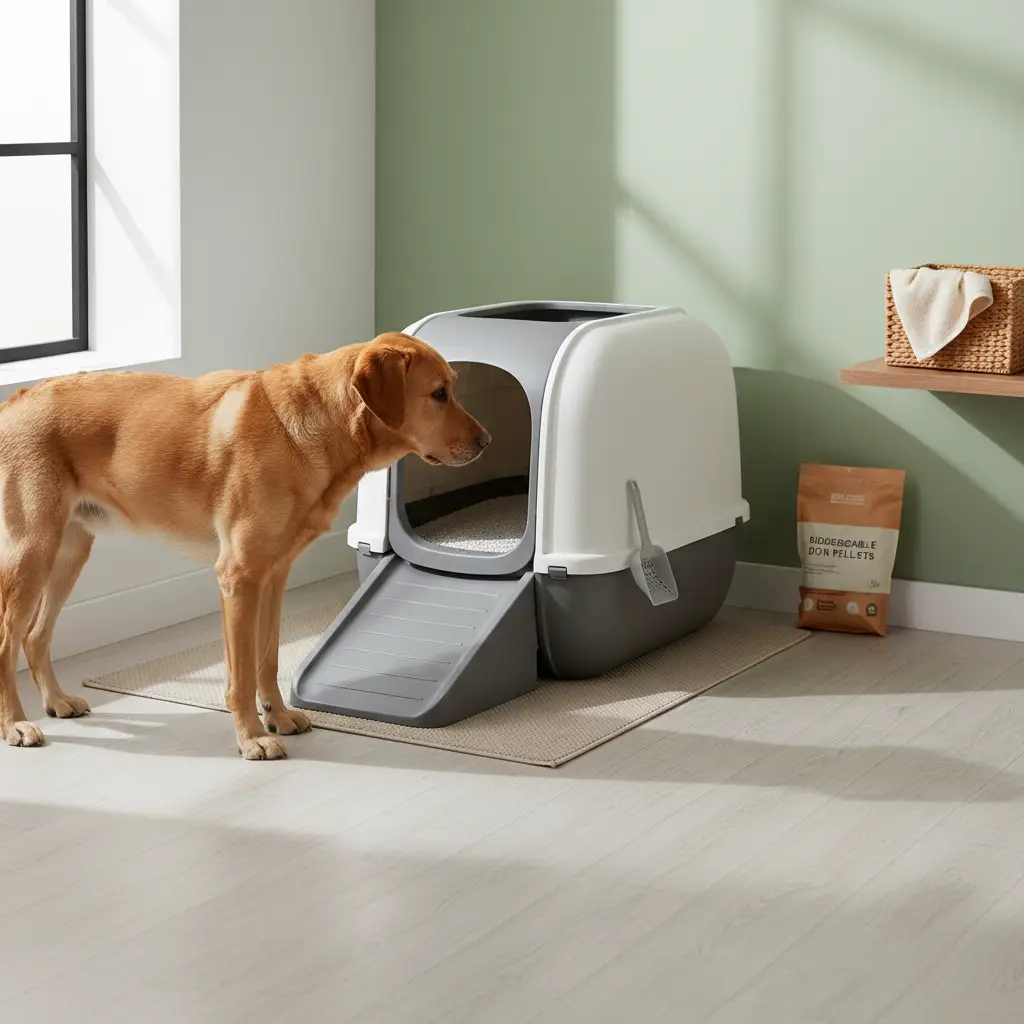
A dog litter box can be a game-changing solution for pet owners who live in apartments, have mobility issues, work long hours, or own small dogs that struggle with outdoor potty breaks. While most people associate litter boxes with cats, indoor potty solutions for dogs are becoming increasingly popular as urban living and busy lifestyles make traditional outdoor bathroom breaks challenging. Whether you’re dealing with harsh weather conditions, live in a high-rise building, or have a senior dog with bladder control issues, understanding how to properly set up and maintain a dog litter box system can provide convenience and peace of mind for both you and your furry companion.
What Is a Dog Litter Box and How Does It Work?
A dog litter box is an indoor toilet system designed specifically for dogs to relieve themselves inside your home. Unlike traditional outdoor potty training, this system uses absorbent materials, artificial grass, or specialized substrates contained within a designated area or tray. The concept works similarly to cat litter boxes but is adapted for canine needs, taking into account factors like dog size, leg-lifting behavior, and different bathroom habits.
Dog litter boxes come in various forms, from simple trays filled with absorbent pellets to sophisticated systems with drainage, artificial turf, and odor control features. The key principle remains the same: providing a consistent, accessible indoor location where your dog can eliminate waste safely and hygienically. Success with a dog litter box depends heavily on proper training, consistent maintenance, and choosing the right system for your specific dog and living situation.
Types of Dog Litter Box Systems
Traditional Litter Box with Absorbent Materials
Traditional dog litter boxes use various absorbent materials similar to cat litter but formulated for dogs. These systems typically consist of a large, shallow tray filled with wood pellets, paper-based litter, or corn-based substrates. The absorbent material soaks up urine and helps contain solid waste until cleaning. This option works best for smaller dogs and requires regular material replacement and thorough cleaning.
Artificial Grass Systems
Artificial grass dog potty systems mimic the outdoor experience by providing a grass-like surface for elimination. These systems often include a collection tray underneath the synthetic turf to catch waste and prevent odors. Many dogs find artificial grass more natural and appealing than traditional litter materials, making the transition from outdoor to indoor elimination easier. The grass surface can be removed, cleaned, and sanitized regularly.
Drainage-Based Systems
Advanced drainage systems feature multiple layers, including artificial grass on top, a drainage layer in the middle, and a collection tray at the bottom. Urine flows through the grass and drainage layer into the collection area, keeping the surface relatively dry and reducing odor issues. These systems often include additional features like odor control mechanisms and easy-clean components, making them ideal for long-term use.
Disposable Pad Systems
Some dog litter box setups use disposable absorbent pads placed in a tray or holder. While not technically a litter system, these provide similar functionality with the convenience of complete disposal after use. Pad systems work well for temporary solutions or dogs already trained on puppy pads, but they can become expensive over time and may not contain odors as effectively as other options.
Benefits of Using a Dog Litter Box
Convenience for Urban Living
Urban dog owners face unique challenges, including high-rise living, limited outdoor access, and busy city schedules. A properly maintained dog litter box eliminates the need for multiple daily trips outside, reduces dependency on elevators, and provides flexibility during extreme weather conditions. This convenience is particularly valuable for apartment dwellers who may not have immediate access to suitable outdoor spaces.
Health and Mobility Considerations
Senior dogs, dogs with mobility issues, or those recovering from surgery may struggle with outdoor bathroom breaks. Indoor potty solutions provide these dogs with accessible relief options that don’t require navigating stairs, long walks, or challenging terrain. Similarly, pet owners with mobility limitations, chronic illnesses, or temporary injuries can maintain their dog’s bathroom routine without physical strain.
Weather Protection
Extreme weather conditions, from harsh winters to severe storms, can make outdoor potty breaks uncomfortable or dangerous for both dogs and owners. A reliable indoor system ensures your dog can maintain regular bathroom habits regardless of weather conditions, reducing accidents and stress for weather-sensitive breeds or older dogs.
Schedule Flexibility
Long work hours, travel schedules, or unpredictable daily routines can make consistent outdoor potty breaks challenging. Indoor systems provide dogs with access to appropriate elimination areas when owners aren’t available, reducing anxiety and preventing accidents throughout the home.
Choosing the Right Dog Litter Box for Your Pet
Size Considerations
The size of your dog litter box should accommodate your dog’s full adult size with room for comfortable positioning and movement. Small dogs need boxes at least 1.5 times their body length, while larger dogs require significantly more space. Consider your dog’s elimination posture, especially if they lift their leg or require more space to position themselves comfortably.
Material and Substrate Selection
Different dogs respond better to different substrate materials. Some prefer the natural feel of wood pellets or corn-based litters, while others adapt better to artificial grass surfaces. Consider your dog’s previous preferences, any allergies or sensitivities, and the maintenance requirements of different materials when making your selection.
Location and Placement Factors
Choose a location that provides privacy while remaining easily accessible to your dog. Avoid high-traffic areas, but ensure the spot is convenient for regular cleaning and maintenance. Consider ventilation, flooring protection, and proximity to your dog’s regular living areas when selecting the optimal placement for your indoor potty system.
Step-by-Step Training Guide for Dog Litter Box Use
Initial Introduction and Setup
Begin by setting up your chosen dog litter box system in the designated location and allowing your dog to investigate and become familiar with the new addition. Place the box in a quiet, accessible area and let your dog sniff and explore without pressure. Some dogs may show immediate interest, while others need time to accept the new bathroom option.
During the introduction phase, maintain your regular outdoor bathroom schedule while gradually incorporating the indoor option. This dual approach prevents accidents while building positive associations with the new system. Use treats and positive reinforcement when your dog shows interest in or approaches the litter box area.
Establishing Routine and Consistency
Create a consistent routine that includes regular opportunities for your dog to use the indoor system. Start by directing your dog to the litter box at typical bathroom times, such as first thing in the morning, after meals, and before bedtime. Use a consistent command or cue word to help your dog associate the action with the location.
Consistency is crucial during the training period. All family members should use the same commands, follow the same routine, and provide the same type of positive reinforcement. Mixed messages or inconsistent training approaches can confuse your dog and slow the learning process significantly.
Positive Reinforcement Techniques
Reward successful use of the dog litter box immediately with high-value treats, enthusiastic praise, or favorite toys. The timing of rewards is critical – provide positive reinforcement within seconds of successful elimination to create strong positive associations. Never punish accidents or unsuccessful attempts, as this can create anxiety and hinder the training process.
Gradually reduce the frequency of treats while maintaining verbal praise and attention as rewards for proper litter box use. This helps establish long-term habits without creating dependency on food rewards for basic bathroom behaviors.
Maintenance and Hygiene Best Practices
Daily Cleaning Routines
Proper maintenance of your dog litter box system requires daily attention to prevent odors, maintain hygiene, and encourage continued use. Remove solid waste immediately when possible, and address urine absorption or drainage according to your system’s design. Daily spot cleaning prevents waste buildup and reduces bacterial growth that can cause health issues and unpleasant odors.
Establish a consistent cleaning schedule that works with your daily routine. Many successful dog litter box users find that morning and evening cleaning sessions, combined with immediate waste removal when present, maintain optimal conditions for both hygiene and continued use by their dogs.
Deep Cleaning and Sanitization
Weekly deep cleaning involves completely emptying, washing, and sanitizing all components of your dog litter box system. Use pet-safe cleaning products and thoroughly rinse all surfaces to remove cleaning residue that might deter your dog from using the system. Replace absorbent materials, wash artificial grass components, and sanitize collection trays according to manufacturer recommendations.
Rotate components when possible to ensure thorough drying and prevent bacterial growth. Some systems benefit from having backup grass sections or additional trays that allow for complete cleaning and drying between uses.
Odor Control Strategies
Effective odor control combines proper cleaning with appropriate products and environmental management. Use enzyme-based cleaners specifically designed for pet waste to break down odor-causing compounds rather than simply masking smells. Ensure adequate ventilation in the litter box area and consider air purifiers or odor-absorbing products designed for pet areas.
Some dog litter box systems include built-in odor control features, while others may benefit from additional odor management products. Avoid using strong fragrances or chemicals that might deter your dog from using the system or cause respiratory irritation.
Common Challenges and Solutions
Resistance to Indoor Elimination
Some dogs initially resist using indoor potty systems due to strong outdoor training or natural preferences for eliminating outside. Address this challenge by gradually transitioning with patience and consistent positive reinforcement. Consider bringing outdoor scents or materials into the indoor system to create familiarity and encourage use.
For dogs with strong outdoor preferences, try placing the dog litter box near doors or windows where they can still sense the outdoor environment. Some owners find success in temporarily moving the system closer to outdoor access points before gradually relocating it to the permanent indoor location.
Size and Space Limitations
Dogs that outgrow their litter box systems or live in extremely limited spaces may require creative solutions. Consider expandable systems, multiple smaller boxes, or custom-built solutions that maximize available space while meeting your dog’s elimination needs. Wall-mounted or corner systems can help utilize space more efficiently in small apartments.
Multiple Dog Households
Households with multiple dogs may need separate litter box systems or larger shared systems, depending on the dogs’ relationships and bathroom habits. Some dogs readily share indoor potty areas, while others require individual systems to prevent territorial issues or hygiene concerns. Monitor usage patterns and adjust your setup based on your dogs’ behaviors and preferences.
Health Considerations and Safety Tips
Monitoring Your Dog’s Health
Indoor litter box systems provide excellent opportunities to monitor your dog’s bathroom habits and overall health. Changes in frequency, consistency, color, or odor of waste can indicate health issues that require veterinary attention. Keep track of normal patterns so you can quickly identify potential problems.
Regular health monitoring becomes especially important for senior dogs or those with chronic conditions who rely heavily on indoor potty systems. Document any changes and discuss concerns with your veterinarian during regular check-ups or when problems arise.
Choosing Safe Materials
Select dog litter box materials and substrates that are safe if accidentally ingested and won’t cause respiratory irritation. Avoid clay-based litters designed for cats, as these can cause digestive issues if consumed by dogs. Research all components of your chosen system to ensure they meet safety standards for pet use.
Consider your dog’s specific health needs, allergies, and sensitivities when selecting materials. Dogs with respiratory conditions may require dust-free options, while those prone to eating non-food items need systems with minimal ingestion risks.
Troubleshooting Common Problems
Accidents Outside the Litter Box
Accidents near but not in the litter box often indicate sizing, placement, or training issues. Evaluate whether your system provides adequate space and easy access for your dog’s size and mobility level. Consider whether the location offers sufficient privacy and comfort for your dog’s elimination preferences.
Address accidents with thorough cleaning using enzyme-based products to eliminate odors that might attract repeat incidents. Avoid punishment and instead focus on reinforcing proper litter box use through positive training techniques and environmental adjustments.
Odor Management Issues
Persistent odors despite regular cleaning may indicate inadequate ventilation, inappropriate cleaning products, or system design issues. Evaluate your cleaning routine and products, ensure proper air circulation, and consider whether your current dog litter box system meets your dog’s waste volume and your maintenance capabilities.
Behavioral Regression
Dogs who previously used litter boxes successfully but suddenly stop may be experiencing health issues, stress, or environmental changes. Rule out medical problems first, then evaluate recent changes in routine, household dynamics, or litter box maintenance that might affect your dog’s comfort with the system.
Cost Considerations and Long-Term Value
Initial Investment vs. Ongoing Costs
While quality dog litter box systems require an initial investment, they can provide long-term value through reduced pet care service costs, convenience, and flexibility. Calculate ongoing expenses including substrate replacement, cleaning supplies, and maintenance materials when evaluating different system options.
Compare the total cost of indoor systems with expenses related to outdoor elimination, such as dog walking services, potential property damage from accidents, or veterinary costs related to weather exposure or delayed bathroom breaks.
Durability and Replacement Considerations
Invest in durable systems that can withstand regular cleaning and daily use without degrading quickly. Quality components may cost more initially but often provide better long-term value through extended lifespan and better performance. Consider warranty options and replacement part availability when selecting your dog litter box system.
When to Consult a Veterinarian
Consult your veterinarian before transitioning to an indoor litter box system if your dog has existing health conditions, mobility issues, or behavioral concerns that might affect successful adaptation. Professional guidance can help you choose appropriate systems and training approaches for dogs with special needs.
Seek veterinary advice if your dog shows signs of distress, refuses to eliminate, or experiences changes in bathroom habits during the transition period. Some dogs may require medical evaluation or behavior modification support to successfully adapt to indoor elimination systems.
Regular veterinary check-ups remain important for dogs using indoor systems, as changes in waste patterns observed through litter box use can provide valuable health information for your veterinarian’s assessment and care recommendations.
Conclusion
A well-chosen and properly maintained dog litter box can significantly improve quality of life for both dogs and their owners, particularly in urban environments or challenging living situations. Success with indoor potty systems requires careful selection of appropriate equipment, consistent training approaches, and commitment to regular maintenance and hygiene practices. While the transition may require patience and persistence, the long-term benefits of convenience, flexibility, and weather independence make indoor dog elimination systems valuable solutions for many modern pet owners. Remember that every dog is unique, and finding the right system and training approach may require some experimentation and adjustment to achieve optimal results for your specific situation and your dog’s individual needs.