
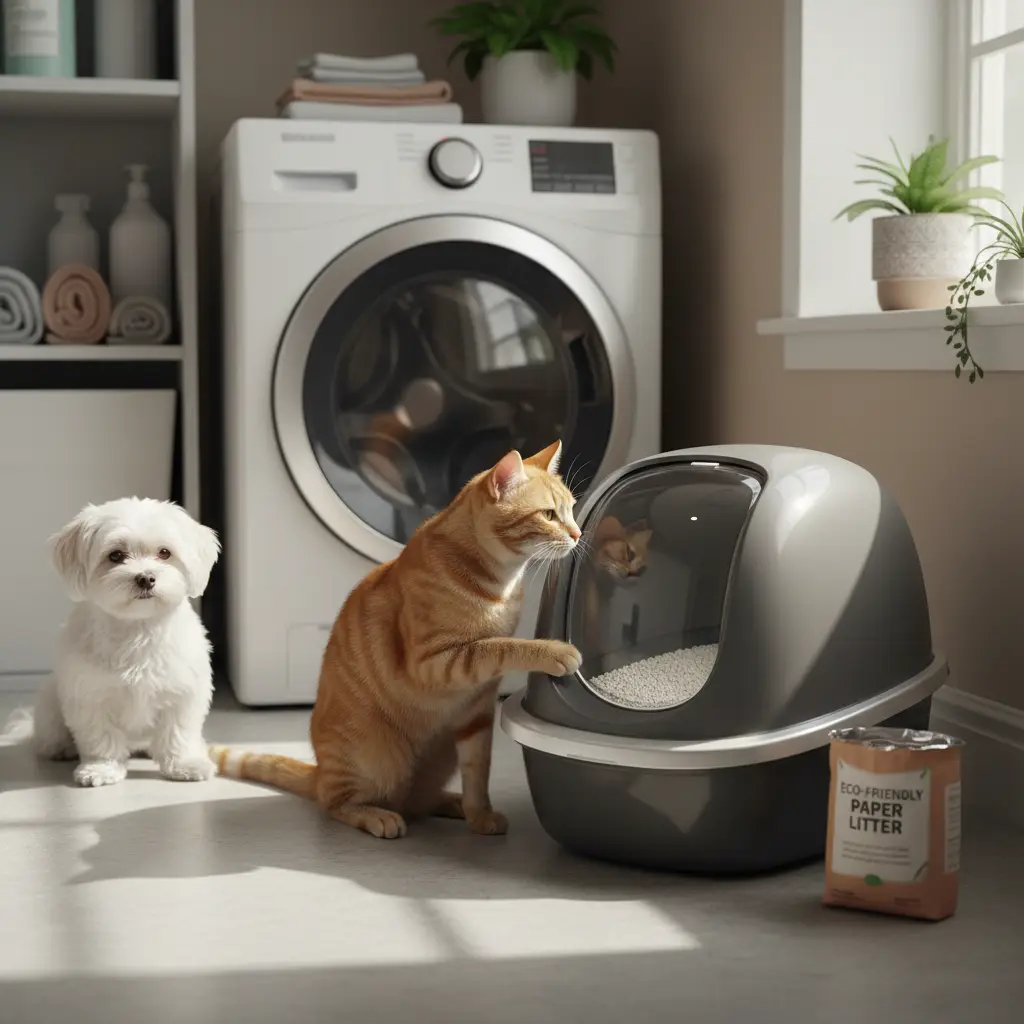
Many pet owners wonder will a dog use a litter box, especially those living in apartments, dealing with mobility issues, or seeking convenient indoor bathroom solutions. The short answer is yes – dogs can be trained to use litter boxes, though the process requires patience, consistency, and the right approach. While cats naturally gravitate toward litter boxes due to their instinctive burial behaviors, dogs need specific training and motivation to adopt this bathroom habit successfully.
Understanding whether litter box training is right for your dog depends on several factors, including your dog’s size, temperament, living situation, and your commitment to the training process. This comprehensive guide will explore everything you need to know about dogs and litter boxes, from the benefits and challenges to step-by-step training methods and essential tips for success.
Can Dogs Actually Use Litter Boxes?
Dogs can absolutely learn to use litter boxes, but their success depends on various factors that differ significantly from cats. Unlike felines, who have natural instincts to dig and bury their waste, dogs must be taught this behavior through positive reinforcement training methods.
Small to medium-sized dogs typically have the most success with litter box training, as they can comfortably fit in appropriately sized boxes and navigate the sides easily. Larger dogs may struggle with standard litter boxes due to space constraints, though extra-large options are available for determined owners.
The key difference between dogs and cats lies in their natural bathroom behaviors. Dogs prefer to eliminate in open areas and don’t instinctively cover their waste, making the transition to enclosed litter boxes more challenging. However, with proper training techniques and patience, many dogs can successfully adapt to this indoor bathroom solution.
Why Consider Litter Box Training for Dogs?
Several circumstances make litter box training an attractive option for dog owners, each offering unique benefits that traditional outdoor bathroom breaks cannot provide.
Apartment Living and Urban Environments
City dwellers and apartment residents often face challenges with regular outdoor access, especially during harsh weather conditions or late-night bathroom needs. A litter box provides immediate relief without the need to navigate elevators, stairs, or long hallways during emergencies.
Weather-Related Convenience
Extreme weather conditions, from heavy snowstorms to torrential rain, can make outdoor bathroom breaks unpleasant or even dangerous for both dogs and owners. Having an indoor alternative ensures your dog’s comfort and maintains their regular bathroom schedule regardless of weather conditions.
Medical and Mobility Considerations
Senior dogs or those with mobility issues may struggle with frequent trips outside, especially when dealing with stairs or long walks to appropriate bathroom areas. Similarly, owners with physical limitations or health concerns benefit from having indoor bathroom options available.
Work Schedule Flexibility
Long work hours or unpredictable schedules can create bathroom timing challenges for dogs. A properly trained dog with litter box access has greater independence and reduced anxiety about holding their bladder for extended periods.
Which Dogs Are Best Suited for Litter Box Training?
Success with litter box training varies significantly among different dogs, with certain characteristics making some candidates more suitable than others.
Size Considerations
Small dog breeds, typically weighing under 25 pounds, adapt most easily to litter box training. Breeds like Chihuahuas, Yorkshire Terriers, Maltese, and Pomeranians can comfortably use standard or slightly larger litter boxes without feeling cramped or unstable.
Medium-sized dogs between 25-50 pounds can also succeed with litter box training, though they require larger boxes and more space for comfortable positioning. Breeds such as Cocker Spaniels, Beagles, and French Bulldogs fall into this category.
Large dogs over 50 pounds face the greatest challenges due to size constraints, though it’s not impossible with extra-large litter boxes or custom solutions. However, the practicality and cost-effectiveness decrease significantly with larger breeds.
Temperament and Personality Traits
Dogs with calm, adaptable personalities tend to embrace litter box training more readily than anxious or stubborn individuals. Dogs that already show preferences for specific bathroom surfaces or locations often transition more smoothly to designated litter areas.
Highly intelligent breeds may learn the concept quickly but might also develop preferences or aversions that complicate training. Conversely, some dogs with moderate intelligence but high food motivation respond well to treat-based training methods.
Step-by-Step Guide: How to Train Your Dog to Use a Litter Box
Successfully training your dog to use a litter box requires a systematic approach, patience, and consistency. The process typically takes several weeks to several months, depending on your dog’s age, temperament, and previous bathroom habits.
Phase 1: Preparation and Setup
Choose an appropriate litter box size that allows your dog to enter, turn around, and position comfortably without feeling cramped. The box should have low sides for easy entry but high enough to contain litter and prevent spillage.
Select the right location for the litter box, preferably in a quiet, easily accessible area away from your dog’s food and water bowls. Consistency in location is crucial for successful training, so avoid moving the box once training begins.
Research and purchase appropriate litter materials designed for dogs, avoiding clay-based cat litters that can be harmful if ingested. Options include paper-based litters, wood pellets, or specialized dog litter products.
Phase 2: Introduction and Familiarization
Allow your dog to investigate the empty litter box without pressure or expectations. Place treats around and inside the box to create positive associations with the new object in their environment.
Add a small amount of litter to the box and encourage exploration through treats and praise. Some dogs may be hesitant about the texture or sound of litter, requiring gradual introduction over several days.
Practice having your dog step into the empty or lightly filled box using treats and positive reinforcement. Reward any voluntary interaction with enthusiasm and high-value treats.
Phase 3: Establishing the Bathroom Connection
Monitor your dog’s natural bathroom schedule and timing patterns to predict when they’ll need to eliminate. Most dogs show consistent patterns related to meals, sleep, and activity levels.
When you notice pre-bathroom signals like sniffing, circling, or moving toward their usual bathroom area, gently guide them to the litter box using treats and encouraging verbal cues.
If your dog eliminates in the litter box, immediately provide enthusiastic praise, treats, and positive attention. The timing of rewards is crucial for helping them understand the desired behavior.
Phase 4: Reinforcement and Consistency
Maintain a consistent routine of guiding your dog to the litter box at regular intervals, especially after meals, naps, and play sessions. Consistency helps establish the habit more quickly than sporadic training attempts.
Clean accidents outside the litter box thoroughly with enzymatic cleaners to eliminate odors that might attract repeat incidents. Avoid punishment or negative reactions, which can create anxiety and setbacks in training progress.
Gradually reduce the frequency of treats and guidance as your dog begins using the litter box independently. However, continue providing praise and occasional rewards to maintain the positive association.
Choosing the Right Litter Box and Litter for Dogs
The success of litter box training often depends heavily on selecting appropriate equipment and materials that meet your dog’s specific needs and preferences.
Litter Box Selection Criteria
Size is the most critical factor when choosing a litter box for dogs. The box should be at least one and a half times your dog’s length and wide enough for comfortable turning and positioning. Many dog owners find success with large cat litter boxes or specialized dog litter systems.
Consider the entry height carefully, especially for puppies, senior dogs, or those with mobility issues. Low-entry boxes or those with removable sides can accommodate dogs with jumping or stepping limitations.
Material quality affects both durability and cleanliness. High-quality plastic boxes resist odor absorption and scratching damage better than cheaper alternatives, making long-term maintenance easier and more hygienic.
Dog-Safe Litter Options
Paper-based litters offer excellent absorption and safety for dogs who might ingest small amounts during use. These products break down safely if consumed and typically produce less dust than clay alternatives.
Wood pellet litters provide natural odor control and break down into sawdust when wet, making cleanup straightforward. However, some dogs dislike the texture or may be sensitive to certain wood types.
Specialized dog litter products are formulated specifically for canine use, often featuring larger granules and enhanced odor control. While more expensive than alternatives, these products may offer better results for particular dogs.
Avoid clay-based cat litters, especially clumping varieties, as they can cause digestive blockages if ingested by curious dogs. Similarly, avoid litters with added fragrances or chemicals that might irritate sensitive dogs.
Common Challenges and Solutions
Even with proper preparation and training techniques, many dog owners encounter obstacles during the litter box training process. Understanding common challenges and their solutions can help maintain progress and prevent frustration.
Resistance to Using the Litter Box
Some dogs show initial fear or reluctance to step into litter boxes, often due to unfamiliar textures, sounds, or confined spaces. Gradual desensitization using treats and positive associations can help overcome these hesitations over time.
Dogs with strong outdoor bathroom preferences may resist indoor alternatives, requiring patience and consistent redirection. Maintaining some outdoor access while introducing litter box options can ease this transition period.
Inconsistent Usage Patterns
Partial success, where dogs use the litter box sometimes but not consistently, often indicates incomplete training or environmental factors affecting their comfort. Reviewing the setup, location, and cleanliness of the litter box can identify potential issues.
Stress, changes in routine, or household disruptions can temporarily affect litter box usage even in well-trained dogs. Maintaining consistency in training methods and providing extra encouragement during difficult periods helps restore good habits.
Litter Tracking and Mess Issues
Dogs typically don’t exhibit the careful stepping behaviors of cats, leading to more litter tracking outside the box. Placing mats around the litter area and choosing less track-prone litter materials can minimize this issue.
Some dogs may play with or dig excessively in litter, creating messes beyond normal usage. Selecting appropriate litter types and providing alternative enrichment activities can redirect these behaviors.
Maintenance and Hygiene Considerations
Proper maintenance of dog litter boxes requires more frequent attention than cat boxes due to differences in waste characteristics and usage patterns.
Daily Cleaning Requirements
Dog waste typically requires immediate removal due to odor and hygiene concerns, making daily cleaning essential for successful litter box programs. Prompt waste removal also maintains the positive environment necessary for continued usage.
Litter should be stirred or refreshed daily to maintain absorbency and odor control, with complete changes needed more frequently than with cat litter boxes. The exact schedule depends on your dog’s size, frequency of use, and the type of litter selected.
Deep Cleaning and Sanitization
Weekly deep cleaning with pet-safe disinfectants helps prevent odor buildup and maintains a hygienic environment. Thorough drying before adding fresh litter prevents bacterial growth and maintains litter effectiveness.
Regular replacement of heavily worn or damaged litter boxes ensures continued success and prevents hygiene issues that might discourage usage. Signs that replacement is needed include persistent odors, cracks, or surface damage that harbors bacteria.
When Litter Box Training Might Not Work
Despite best efforts and proper techniques, litter box training isn’t suitable for every dog or situation. Recognizing when to modify expectations or seek alternatives prevents frustration and maintains a positive relationship with your pet.
Very large dogs may find appropriately sized litter boxes impractical or uncomfortable, making outdoor bathroom routines more suitable for their needs. The cost and space requirements for extra-large litter systems may also be prohibitive for many households.
Dogs with certain medical conditions, behavioral issues, or extreme anxiety may struggle with litter box training despite consistent efforts. In these cases, consulting with veterinarians or professional dog trainers can provide alternative solutions or address underlying issues.
Some dogs maintain strong preferences for outdoor elimination that resist modification, particularly those with extensive outdoor experience before training attempts. Respecting these preferences while providing emergency indoor options may be the most practical approach.
Alternatives to Traditional Litter Boxes
For dogs that struggle with conventional litter boxes, several alternative indoor bathroom solutions can provide similar convenience and benefits.
Indoor Grass Systems
Real or artificial grass systems provide familiar outdoor textures in indoor settings, often appealing to dogs who resist traditional litter materials. These systems require different maintenance approaches but may be more acceptable to particular dogs.
Training Pads and Newspaper
Disposable training pads or newspaper systems offer simpler alternatives for dogs who prefer flat surfaces over contained litter boxes. While requiring more frequent replacement, these options can be more cost-effective and easier to manage for some households.
Custom Solutions
Some creative dog owners develop custom bathroom solutions using shower pans, large trays, or other containers filled with preferred materials. These approaches can accommodate unique size requirements or specific dog preferences that standard products don’t address.
Final Thoughts on Dogs and Litter Boxes
The question of will a dog use a litter box has a definitive answer: yes, many dogs can successfully learn to use litter boxes with proper training, appropriate equipment, and realistic expectations. However, success depends heavily on individual factors including dog size, temperament, owner commitment, and environmental considerations.
Small to medium-sized dogs with adaptable personalities and owners willing to invest time in consistent training typically achieve the best results. The process requires patience, as most dogs need several weeks to months to fully embrace litter box usage as a reliable bathroom option.
While litter box training offers significant benefits for apartment living, weather challenges, and schedule flexibility, it’s not the ideal solution for every dog or household. Understanding your dog’s individual needs, preferences, and limitations helps determine whether pursuing litter box training aligns with your goals and circumstances.
Success with dog litter box training ultimately comes down to matching the right approach with the right dog in the right environment. With proper preparation, consistent training methods, and realistic expectations, many dogs can master this convenient indoor bathroom skill, providing greater flexibility and comfort for both pets and their owners.
Read also: The Complete Guide to Litter Box for Dogs: Solutions for Indoor Potty Training