
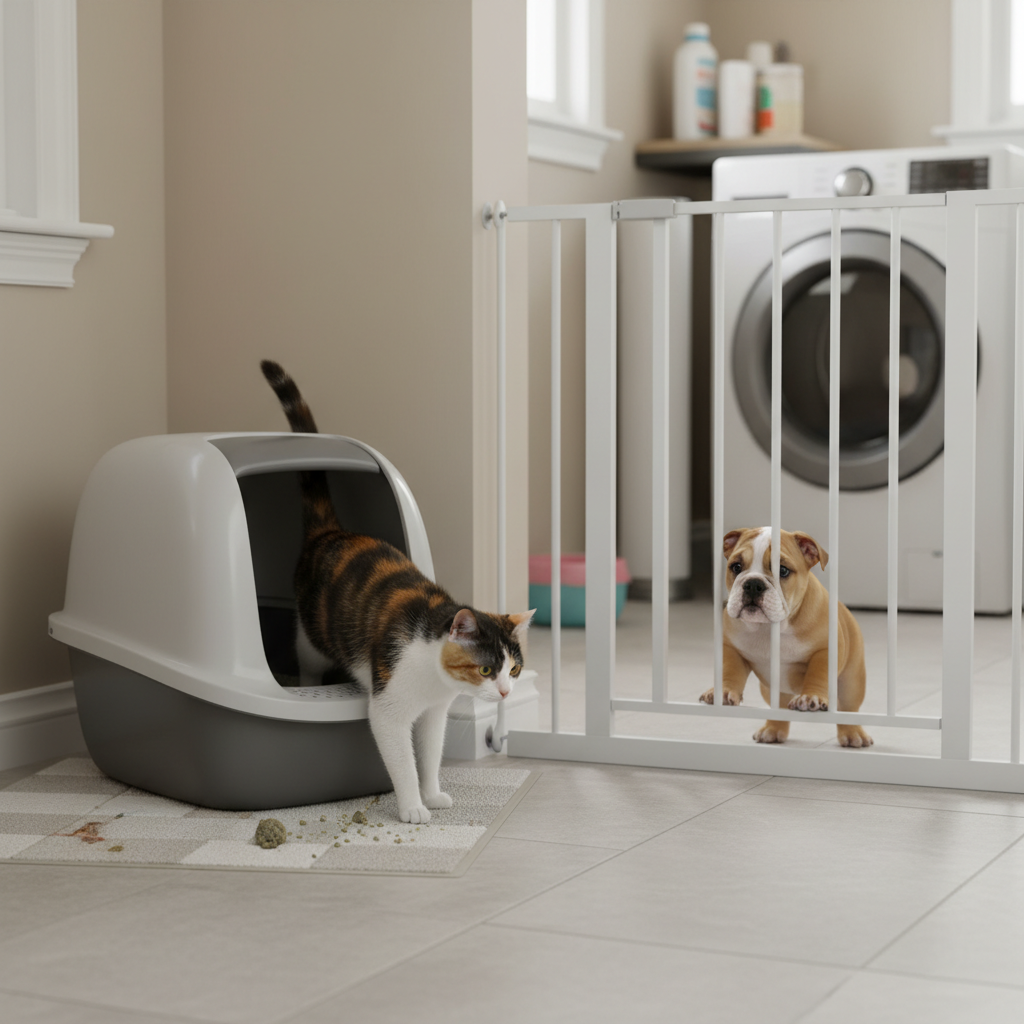
If you’re a cat owner who also has dogs in your home, you’ve likely encountered the frustrating problem of dogs and litter boxes. Many dog owners discover that their canine companions are surprisingly attracted to cat litter boxes, whether it’s to eat the contents, dig around in the litter, or even use the box themselves. This common household issue can create unsanitary conditions, spread bacteria, and cause stress for both pets and their owners. Understanding why dogs are drawn to litter boxes and learning effective prevention strategies is essential for maintaining a clean, healthy home environment for all your pets.
Why Dogs Are Attracted to Cat Litter Boxes
Before addressing how to prevent access, it’s crucial to understand the underlying reasons why dogs find litter boxes so appealing. This knowledge helps pet owners choose the most effective prevention methods and address the root cause of the behavior.
Natural Scavenging Instincts
Dogs are natural scavengers with powerful noses that can detect scents humans cannot perceive. Cat waste contains proteins and nutrients that dogs instinctively recognize as potentially valuable food sources. This behavior, while disgusting to humans, is completely normal from a canine perspective. Wild dogs and their ancestors survived partly by consuming waste from other animals, making this attraction a deeply ingrained survival instinct.
Curiosity and Exploration
Dogs explore their environment primarily through smell and taste. A litter box presents an interesting collection of new scents and textures that naturally pique their curiosity. Puppies and young dogs are particularly prone to this exploratory behavior as they learn about their surroundings through investigation.
Attention-Seeking Behavior
Some dogs quickly learn that getting into the litter box generates a strong reaction from their owners. If a dog receives attention (even negative attention) when approaching the litter box, they may repeat the behavior to gain their owner’s focus. This is especially common in dogs that feel they’re not receiving enough interaction or mental stimulation.
Stress or Anxiety
Dogs experiencing stress, anxiety, or changes in their routine may exhibit unusual behaviors, including increased interest in litter boxes. Moving to a new home, introducing new pets, or changes in the household schedule can trigger this type of behavioral response.
Health Risks of Dogs Accessing Litter Boxes
Understanding the potential health consequences helps emphasize why preventing access is so important for your pets’ wellbeing and your family’s health.
Bacterial and Parasitic Infections
Cat waste can contain harmful bacteria such as Salmonella and E. coli, which can cause serious digestive issues in dogs. Additionally, parasites like roundworms, hookworms, and Toxoplasma gondii can be transmitted from cats to dogs through litter box contact. These parasites can cause symptoms ranging from mild digestive upset to severe illness requiring veterinary treatment.
Intestinal Blockages
Many types of cat litter, particularly clumping varieties, can cause serious intestinal blockages if consumed by dogs. Clay-based litters expand when they absorb moisture, potentially creating life-threatening obstructions in a dog’s digestive system. Crystal and silica gel litters can also cause blockages and may be toxic if ingested in large quantities.
Chemical Toxicity
Scented litters, deodorizers, and litter box cleaning products often contain chemicals that are harmful to dogs. Regular exposure to these substances can cause respiratory irritation, skin problems, and digestive issues. Some fragrances and additives used in cat litter products are specifically toxic to dogs and can cause more severe health problems.
Physical Barriers: Creating Effective Boundaries
The most straightforward approach to managing dogs and litter boxes involves creating physical barriers that prevent access while maintaining convenience for cats and their owners.
Strategic Litter Box Placement
Location is one of the most important factors in preventing dog access to litter boxes. Choose areas that are easily accessible to cats but difficult for dogs to reach. Elevated surfaces such as countertops, washing machines, or specially designed cat furniture work well for smaller cats. However, ensure your cat can safely and comfortably access these locations, especially as they age.
Rooms with narrow doorways or spaces that require jumping or climbing can naturally deter larger dogs while remaining accessible to agile cats. Basements, utility rooms, or spare bathrooms often provide ideal locations that can be easily modified for restricted access.
Baby Gates and Pet Gates
Installing baby gates or pet gates is one of the most effective methods for controlling access. Choose gates with openings large enough for cats to pass through but too small for dogs. Many pet gates feature adjustable cat doors or removable bottom panels specifically designed for this purpose.
When selecting gates, consider the jumping ability of both your cats and dogs. Some dogs can easily leap over standard baby gates, requiring taller barriers or gates with additional height extensions. Pressure-mounted gates work well for most situations, while hardware-mounted options provide extra security for determined dogs.
Enclosed Litter Box Solutions
Covered litter boxes or litter box furniture can provide an additional layer of protection against dog interference. These solutions work particularly well when combined with strategic placement and access control measures. Look for designs with cat-sized openings that are too small for dogs to enter.
Custom-built litter box enclosures or converted furniture pieces can be tailored to your specific space and pet size requirements. These solutions often blend seamlessly with home decor while providing effective access control.
Training Methods to Keep Dogs Away
While physical barriers are often the most reliable solution, training approaches can be valuable supplements or alternatives, especially for households where barriers aren’t practical.
Basic Command Training
Teaching your dog reliable “leave it” and “stay” commands provides essential tools for managing their behavior around litter boxes. Start training in neutral environments before practicing near the actual litter box area. Consistent practice and positive reinforcement help establish strong behavioral boundaries.
The “leave it” command should be practiced with various objects and situations to ensure your dog generalizes the behavior. Begin with less tempting items and gradually work up to more challenging scenarios, always rewarding compliance immediately.
Positive Reinforcement Techniques
Reward your dog for staying away from litter box areas rather than only correcting unwanted behavior. Create positive associations with designated dog areas by providing treats, toys, and attention when your dog chooses appropriate locations. This approach helps redirect their focus toward acceptable behaviors and spaces.
Establish clear boundaries by consistently rewarding your dog when they remain in allowed areas and calmly redirecting them when they approach restricted zones. Avoid punishment-based methods, which can increase anxiety and potentially worsen the problem.
Environmental Management
Increase your dog’s mental and physical stimulation to reduce their interest in exploring forbidden areas. Bored dogs are more likely to seek entertainment in inappropriate places, including litter boxes. Provide puzzle toys, regular exercise, and structured activities to keep your dog engaged and satisfied.
Create appealing alternatives by establishing comfortable resting areas and play zones that compete with the litter box area for your dog’s attention. The more satisfied and stimulated your dog feels, the less likely they are to seek entertainment in off-limits locations.
Litter Box Design and Placement Strategies
Thoughtful litter box selection and placement can significantly reduce problems with dogs and litter boxes while maintaining your cat’s comfort and hygiene habits.
Size and Height Considerations
Choose litter boxes that are appropriately sized for your cats but less appealing to dogs. Higher-sided boxes can deter some dogs while still allowing cats easy access. However, ensure that elderly or arthritic cats can still comfortably enter and exit the box.
Consider the physical capabilities of all your pets when selecting litter box designs. What works to deter a small dog may not be effective for larger breeds, and solutions that stop big dogs might prevent senior cats from using their boxes comfortably.
Multi-Level Access Solutions
Creating elevated litter box areas using cat trees, shelving units, or custom platforms can effectively separate cat and dog spaces. Ensure these elevated areas are stable and secure, with easy access routes for cats. Provide steps or ramps for cats who may have difficulty jumping to higher levels.
Multi-level solutions work particularly well in homes with adequate vertical space and can be integrated into existing furniture arrangements. These setups often provide cats with a sense of security and privacy while naturally excluding dogs.
Room Modification Techniques
Modifying existing rooms to create cat-only spaces can be highly effective for managing access issues. Install cat doors in interior doors, create elevated walkways, or use furniture arrangements to establish natural barriers. These modifications should maintain the room’s functionality while providing clear boundaries.
Consider the long-term implications of room modifications, including how they might affect household traffic flow and whether they’ll remain effective as your pets age or if you add new animals to your family.
Choosing the Right Litter and Maintenance
Proper litter selection and maintenance practices can reduce the appeal of litter boxes to dogs while maintaining optimal conditions for cats.
Dog-Deterrent Litter Options
Some litter types are naturally less appealing to dogs than others. Non-clumping, paper-based, or wood pellet litters may be less attractive to dogs while still providing adequate odor control for cats. However, always prioritize your cat’s preferences, as a litter they won’t use defeats the purpose entirely.
Avoid heavily scented litters, which can actually increase dog interest while potentially causing respiratory irritation in both cats and dogs. Natural, unscented options are generally safer and less likely to attract unwanted attention from dogs.
Cleaning and Odor Control
Maintaining extremely clean litter boxes reduces their appeal to dogs significantly. Scoop waste immediately when possible, and maintain a regular cleaning schedule that prevents odor buildup. Clean boxes are less interesting to dogs and more appealing to cats, creating a win-win situation.
Use pet-safe cleaning products specifically designed for litter boxes, and ensure all cleaning residues are completely removed before refilling with fresh litter. Strong chemical odors can deter cats from using their boxes while potentially attracting curious dogs.
Common Mistakes to Avoid
Understanding frequent errors in managing dogs and litter boxes helps pet owners implement more effective solutions and avoid counterproductive approaches.
Punishment-Based Approaches
Avoid using punishment or negative reinforcement to keep dogs away from litter boxes. Yelling, physical corrections, or punishment can increase anxiety and stress, potentially worsening the problem. Dogs may learn to avoid the behavior when you’re present but continue it when unsupervised.
Punishment can also create negative associations with the litter box area that may affect your cat’s willingness to use their facilities. Cats are sensitive to environmental stress and may avoid areas where they’ve witnessed conflict or tension.
Inadequate Physical Barriers
Many pet owners underestimate their dog’s determination and physical abilities when installing barriers. Gates that are too low, spaces that are too wide, or barriers that aren’t properly secured often fail to prevent access. Always test barriers thoroughly and consider your dog’s specific capabilities when designing solutions.
Remember that dogs can be surprisingly creative problem-solvers when motivated. What works initially may need adjustment as your dog learns to overcome or work around barriers.
Neglecting Cat Preferences
While preventing dog access is important, never compromise your cat’s litter box preferences to the point where they stop using their facilities. Cats who can’t comfortably access their litter boxes or who dislike the type or location may develop elimination problems that are much more serious than dog interference.
Always ensure that any changes made to prevent dog access still meet your cat’s needs for privacy, accessibility, and cleanliness. Monitor your cat’s litter box usage carefully when implementing new prevention strategies.
When to Consult a Veterinarian
Certain situations involving dogs and litter boxes require professional veterinary guidance to ensure the health and safety of all pets involved.
Signs of Illness or Ingestion
Contact your veterinarian immediately if your dog shows signs of illness after accessing a litter box, including vomiting, diarrhea, lethargy, loss of appetite, or difficulty defecating. These symptoms could indicate bacterial infection, parasitic infestation, or intestinal blockage from ingested litter.
If you suspect your dog has consumed cat waste or litter, don’t wait for symptoms to appear. Early veterinary intervention can prevent serious complications and ensure appropriate treatment if problems develop.
Behavioral Concerns
Consult with a veterinary behaviorist if standard prevention methods aren’t effective or if your dog’s interest in litter boxes seems compulsive or anxiety-related. Professional guidance can help identify underlying behavioral issues and develop customized training approaches.
Sudden changes in your dog’s behavior around litter boxes, especially in previously well-behaved pets, may indicate medical issues that require professional evaluation and treatment.
Long-Term Success Strategies
Creating lasting solutions for managing dogs and litter boxes requires consistent implementation and periodic adjustment of your chosen strategies.
Consistency and Patience
Successful prevention requires consistent application of chosen methods by all family members. Mixed messages or inconsistent enforcement can confuse pets and undermine training efforts. Establish clear household rules and ensure everyone understands and follows the same protocols.
Be patient with the process, as behavioral changes and habit formation take time. Most dogs need several weeks of consistent management before new routines become established, and some may require longer depending on their age, personality, and motivation level.
Regular Assessment and Adjustment
Periodically evaluate the effectiveness of your prevention strategies and make adjustments as needed. Your pets’ needs may change over time due to aging, health issues, or changes in household dynamics. What works for a young, healthy pet may need modification as they grow older or if new animals join the family.
Stay flexible and willing to try new approaches if current methods become less effective. The key to long-term success is finding sustainable solutions that work for your specific household and pet combination.
Managing the challenge of dogs and litter boxes requires a combination of understanding, preparation, and consistent implementation of appropriate prevention strategies. By addressing the root causes of your dog’s interest, implementing effective physical barriers, and maintaining proper litter box hygiene, you can create a harmonious multi-pet household where both cats and dogs can coexist comfortably. Remember that every situation is unique, and the most successful approach often involves combining multiple strategies tailored to your specific pets and living situation. With patience and persistence, you can eliminate this common household problem and ensure the health and happiness of all your furry family members.