
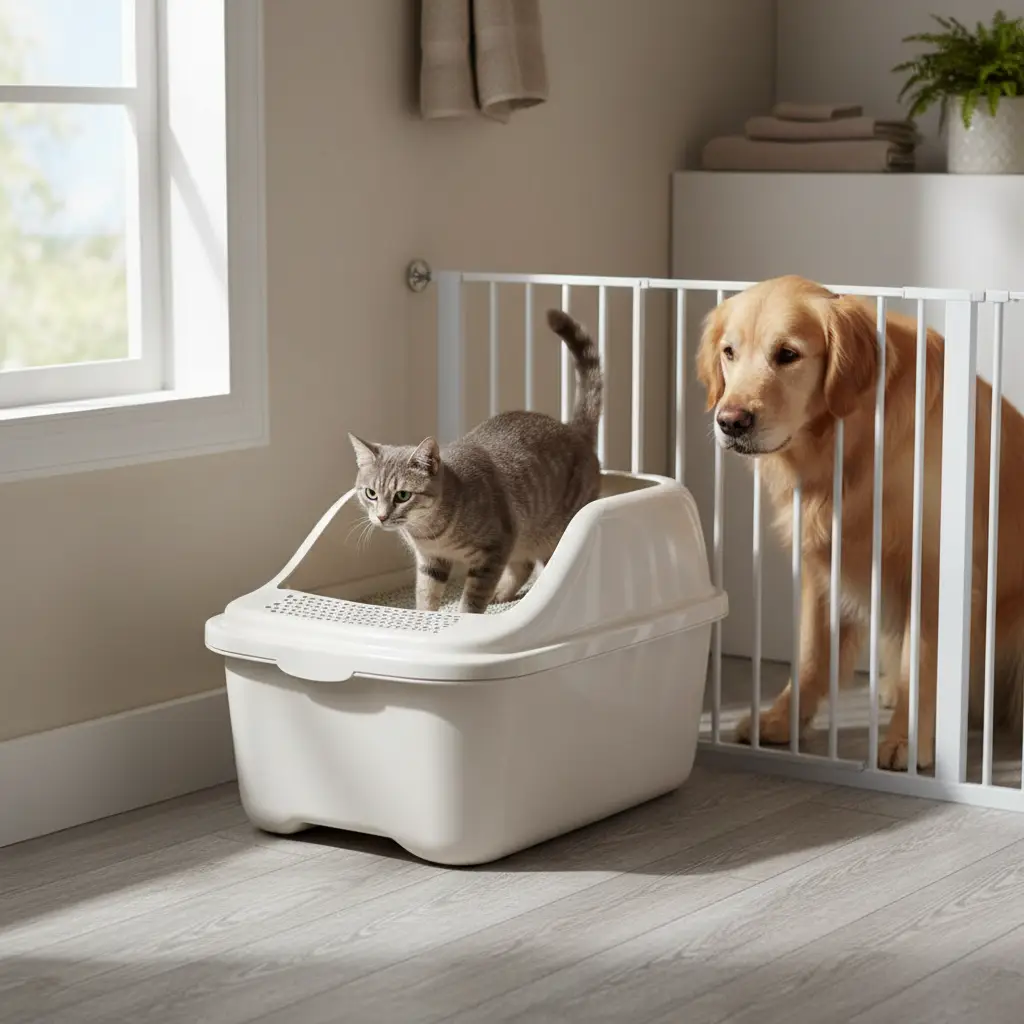
If you’re dealing with a dog that constantly raids your cat’s litter box, you’re not alone in this frustrating situation. Finding the right dog proof litter box solution is essential for maintaining hygiene, protecting your pets’ health, and preserving your sanity. Dogs are naturally drawn to cat litter boxes for various reasons, but with the right strategies and products, you can effectively keep your canine companion away from this unwanted snacking spot.
This comprehensive guide will walk you through everything you need to know about creating a dog-proof litter box setup, from understanding why dogs are attracted to cat waste to implementing practical solutions that work for households of all sizes and layouts.
Why Dogs Are Attracted to Cat Litter Boxes
Understanding the root cause of this behavior is crucial for selecting the most effective dog proof litter box strategy. Dogs have several biological and behavioral reasons for being drawn to cat litter boxes, and recognizing these motivations will help you choose the best prevention method.
Natural Scavenging Instincts
Dogs are natural scavengers with an instinct to investigate and consume various materials they encounter. Cat feces contains partially digested proteins and nutrients that dogs find appealing, making the litter box an attractive target. This behavior, while disgusting to humans, is completely normal from a canine perspective and stems from their evolutionary background as opportunistic feeders.
High-Protein Content in Cat Waste
Cat food typically contains higher protein levels than dog food, which means cat waste retains more appealing nutrients from a dog’s perspective. The concentrated protein content makes cat feces particularly enticing to dogs, who can detect these nutritional elements through their powerful sense of smell.
Curiosity and Boredom
Some dogs raid litter boxes simply out of curiosity or boredom, especially if they’re left alone for extended periods. The litter box represents an interesting area with novel scents and textures that can provide mental stimulation for an understimulated dog.
Health Risks of Dogs Eating Cat Litter and Waste
Before exploring solutions, it’s important to understand why creating a dog proof litter box setup is more than just a convenience issue. The health risks associated with dogs consuming cat litter and waste are serious and can lead to significant veterinary expenses and health complications.
Parasites and Bacterial Infections
Cat waste can contain various parasites and bacteria that are harmful to dogs, including toxoplasmosis, salmonella, and intestinal worms. These pathogens can cause severe digestive issues, systemic infections, and long-term health problems in dogs. Toxoplasmosis is particularly concerning as it can affect the nervous system and cause serious complications.
Intestinal Blockages from Litter
Many types of cat litter, particularly clumping varieties, can cause dangerous intestinal blockages when consumed by dogs. Clay-based litters expand when they absorb moisture, potentially creating obstructions in the digestive tract that require emergency surgical intervention. Crystal and silica gel litters can also cause blockages and may contain chemicals harmful to dogs.
Chemical Toxicity
Some cat litters contain fragrances, deodorizers, and clumping agents that are toxic to dogs when ingested. These chemicals can cause poisoning symptoms including vomiting, diarrhea, lethargy, and in severe cases, organ damage. Scented litters and those with antibacterial additives pose particular risks.
Types of Dog Proof Litter Box Solutions
There are several effective approaches to creating a dog proof litter box environment, ranging from physical barriers to specialized furniture and strategic placement. The best solution for your household will depend on your living space, the size and agility of your pets, and your budget.
Physical Barriers and Gates
Installing physical barriers is one of the most straightforward ways to keep dogs away from litter boxes. Baby gates work exceptionally well for this purpose, allowing cats to jump over or slip through while keeping larger dogs out. Choose gates with adjustable widths to fit doorways and hallways perfectly.
For more permanent solutions, consider installing pet doors or cat flaps that lead to dedicated litter box rooms. These doors can be sized specifically for cats, preventing dogs from accessing the area while giving cats 24/7 access to their facilities.
Elevated Litter Box Placement
Taking advantage of cats’ natural climbing abilities offers another effective dog proof litter box strategy. Placing litter boxes on elevated surfaces such as counters, tables, or custom-built platforms keeps them out of reach of most dogs while remaining easily accessible to cats.
When implementing elevated placement, ensure the surface is stable and provides enough space for your cat to enter and exit comfortably. Consider the age and mobility of your cats, as older or arthritic cats may struggle with high jumps.
Enclosed Litter Box Furniture
Specialized litter box furniture combines functionality with aesthetics while providing excellent dog-proofing capabilities. These pieces typically feature top-entry or side-entry designs that cats can navigate easily but dogs cannot access. Many models include additional storage for litter supplies and are designed to blend seamlessly with home decor.
Look for furniture pieces with secure latches or mechanisms that prevent dogs from opening doors or lids while allowing cats easy access through designated entry points.
Step-by-Step Guide to Dog-Proofing Your Litter Box
Creating an effective dog proof litter box setup requires careful planning and implementation. Follow these detailed steps to establish a system that works for your specific situation and pet combination.
Step 1: Assess Your Space and Pets
Begin by evaluating your living space and the physical capabilities of your pets. Measure doorways, identify potential litter box locations, and consider your dog’s size, jumping ability, and determination level. Also assess your cats’ mobility, age, and preferences for litter box access.
Document the current litter box locations and note when and how your dog typically accesses them. This information will help you choose the most appropriate prevention strategy.
Step 2: Choose Your Dog-Proofing Method
Based on your assessment, select the most suitable approach from the following options:
- Baby gates for doorway barriers in homes with separate rooms for litter boxes
- Elevated placement for cats that are comfortable with climbing and jumping
- Enclosed furniture for households wanting discrete, integrated solutions
- Top-entry litter boxes for a simple, cost-effective option
- Combination approaches for households with particularly determined dogs
Step 3: Implement Your Chosen Solution
Install your selected dog proof litter box system carefully, ensuring all components are secure and stable. If using gates, verify they’re properly mounted and cannot be pushed over or opened by your dog. For elevated solutions, test the stability of platforms or surfaces before allowing cats to use them.
When transitioning to enclosed systems, introduce cats gradually to help them adjust to the new setup. Place familiar litter and maintain their preferred litter type during the transition period.
Step 4: Train and Monitor
Monitor both pets closely during the initial implementation period. Ensure cats are successfully using their newly protected litter boxes and that dogs cannot access the area. Be prepared to make adjustments if you discover weaknesses in your system.
Consider providing alternative activities for dogs to redirect their attention and energy away from the litter box area. Puzzle toys, chew items, and increased exercise can help reduce their interest in inappropriate snacking.
Best Dog Proof Litter Box Products and Solutions
The market offers numerous products specifically designed to create effective dog proof litter box environments. Understanding the features and benefits of different options will help you make an informed decision for your household.
Top-Entry Litter Boxes
Top-entry litter boxes feature openings on the top surface rather than the front, making them naturally dog-proof for most breeds. These boxes work well for agile cats and provide excellent odor control due to their enclosed design. Look for models with removable lids for easy cleaning and adequate ventilation to prevent moisture buildup.
Litter Box Cabinets and Furniture
Furniture-style litter box enclosures offer the ultimate in discretion and dog-proofing capabilities. These pieces typically feature cat-sized entry holes or doors that dogs cannot navigate. Premium models include ventilation systems, easy-clean surfaces, and additional storage compartments.
Adjustable Pet Gates
High-quality pet gates with small openings or adjustable bars can create effective barriers while allowing cat access. Look for gates with cat doors or gaps that cats can squeeze through but dogs cannot. Pressure-mounted options work well for temporary solutions, while hardware-mounted gates provide maximum security.
DIY Dog Proof Litter Box Ideas
Creating your own dog proof litter box solution can be cost-effective and allow for customization to your specific space and pet needs. These DIY approaches use common materials and basic construction skills to achieve professional results.
Elevated Platform System
Build a simple elevated platform using sturdy materials like plywood and support brackets. Mount the platform at a height your cats can reach comfortably but your dog cannot. Include a ramp or steps if needed for older cats, and ensure the platform is wide enough for easy litter box placement and cat movement.
Custom Cabinet Conversion
Convert an existing cabinet or storage unit into a litter box enclosure by cutting an appropriately sized entrance hole and installing ventilation. This approach allows you to repurpose furniture while creating a custom solution that matches your decor.
Baby Gate Modifications
Modify standard baby gates by adding cat doors or creating small openings that accommodate cats but exclude dogs. This approach works particularly well for households with significant size differences between cats and dogs.
Common Mistakes to Avoid
When implementing a dog proof litter box system, avoiding these common mistakes will increase your chances of success and prevent frustration for both you and your pets.
Inadequate Size Planning
Many pet owners underestimate their dog’s ability to squeeze through small spaces or jump higher than expected. Always err on the side of caution when determining barrier heights and opening sizes. Test your system thoroughly before considering it complete.
Forgetting Cat Preferences
Cats can be particular about their litter box access and may refuse to use boxes that feel too confined or difficult to reach. Ensure your dog-proofing solution doesn’t create anxiety or accessibility issues for your cats. Provide multiple options if necessary to accommodate different cat preferences.
Ignoring Safety Considerations
Elevated platforms, gates, and enclosed systems must be stable and secure to prevent accidents. Regularly inspect all components for wear, loosening, or damage that could create safety hazards for your pets.
Maintaining Your Dog Proof Litter Box System
A successful dog proof litter box setup requires ongoing maintenance and occasional adjustments to remain effective over time. Regular upkeep ensures continued protection while keeping the system hygienic and functional.
Regular Cleaning and Inspection
Clean all components of your dog-proofing system regularly, paying special attention to areas where litter dust and odors can accumulate. Inspect gates, platforms, and enclosures for signs of wear or damage that could compromise their effectiveness.
Adjusting for Pet Changes
As pets age or their mobility changes, you may need to modify your system to accommodate their evolving needs. Senior cats may require easier access, while growing puppies might develop new abilities to overcome previously effective barriers.
When to Consult a Veterinarian
While implementing a dog proof litter box system addresses the prevention side of the issue, certain situations warrant professional veterinary consultation to ensure your pets’ health and wellbeing.
Signs of Health Issues
If your dog has already consumed significant amounts of cat litter or waste, watch for symptoms including vomiting, diarrhea, constipation, lethargy, loss of appetite, or difficulty defecating. These signs could indicate intestinal blockage or poisoning requiring immediate veterinary attention.
Persistent Behavioral Issues
Dogs that show obsessive interest in cat waste or demonstrate extreme determination to access litter boxes despite barriers may benefit from behavioral consultation. Veterinarians can help identify underlying nutritional deficiencies or behavioral issues contributing to the problem.
Alternative Strategies and Additional Tips
Beyond physical barriers, several complementary strategies can enhance your dog proof litter box efforts and provide additional layers of protection.
Deterrent Sprays and Scents
Safe, pet-friendly deterrent sprays can make litter box areas less appealing to dogs while remaining neutral to cats. Citrus-based deterrents often work well, as most dogs dislike citrus scents while cats are typically unaffected.
Feeding Schedule Adjustments
Ensuring your dog receives adequate nutrition and regular meals can reduce their interest in seeking alternative food sources. Consult with your veterinarian about your dog’s nutritional needs and feeding schedule to address any underlying dietary motivations.
Environmental Enrichment
Providing adequate mental and physical stimulation for your dog can reduce boredom-driven behaviors like litter box raiding. Increase exercise, provide puzzle toys, and ensure your dog has appropriate outlets for their natural behaviors.
Creating an effective dog proof litter box solution requires understanding your pets’ needs, choosing appropriate products or methods, and maintaining the system over time. With the right approach, you can successfully keep your dog away from the cat’s litter box while ensuring your feline friends have convenient, stress-free access to their facilities. Remember that the best solution is one that works consistently for your specific household situation and keeps all your pets safe, healthy, and happy.